
Pristina, 11 December 2025
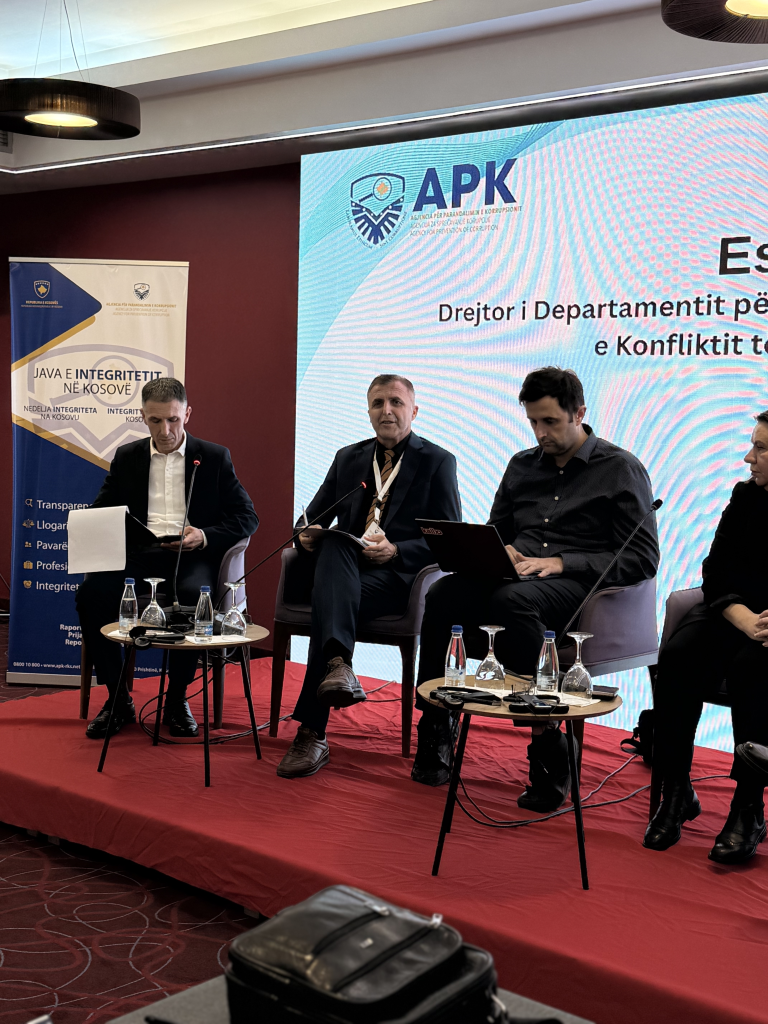
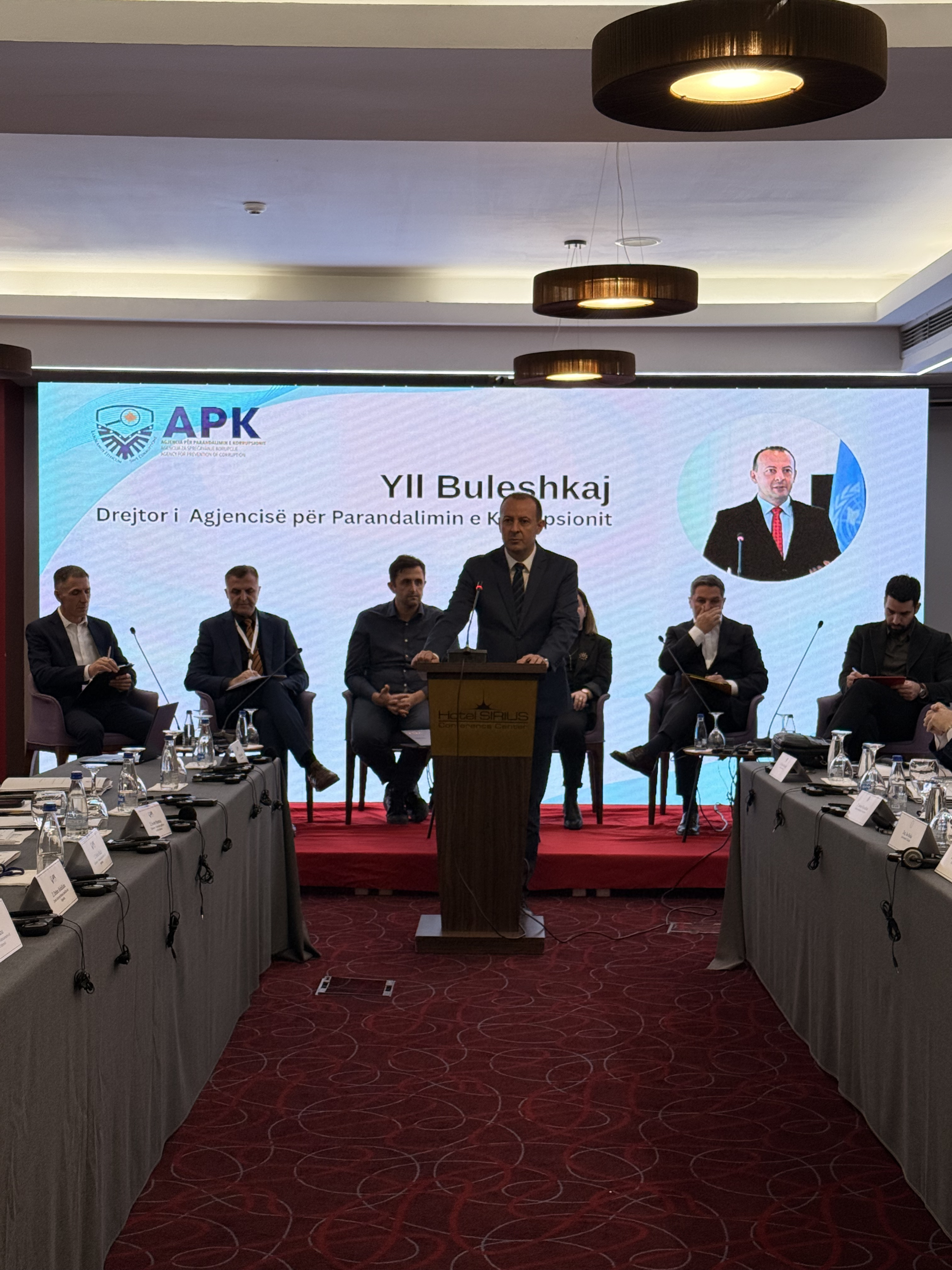
On the fourth day of Integrity Week 2025, held in the framework of marking the International Anti-Corruption Day, a thematic session dedicated to one of the most important issues for the quality of higher education and institutional credibility took place today: Preventing Conflict of Interest in Higher Education.
This activity, like the other days of the Week, was organized by the Anti-Corruption Agency (APC) in cooperation with the APC Consultative Forum with Civil Society, bringing together key representatives from various institutions and fields who, with their expertise and experience, contributed valuable insights for improving this sector.
Academic integrity – the foundation of public trust
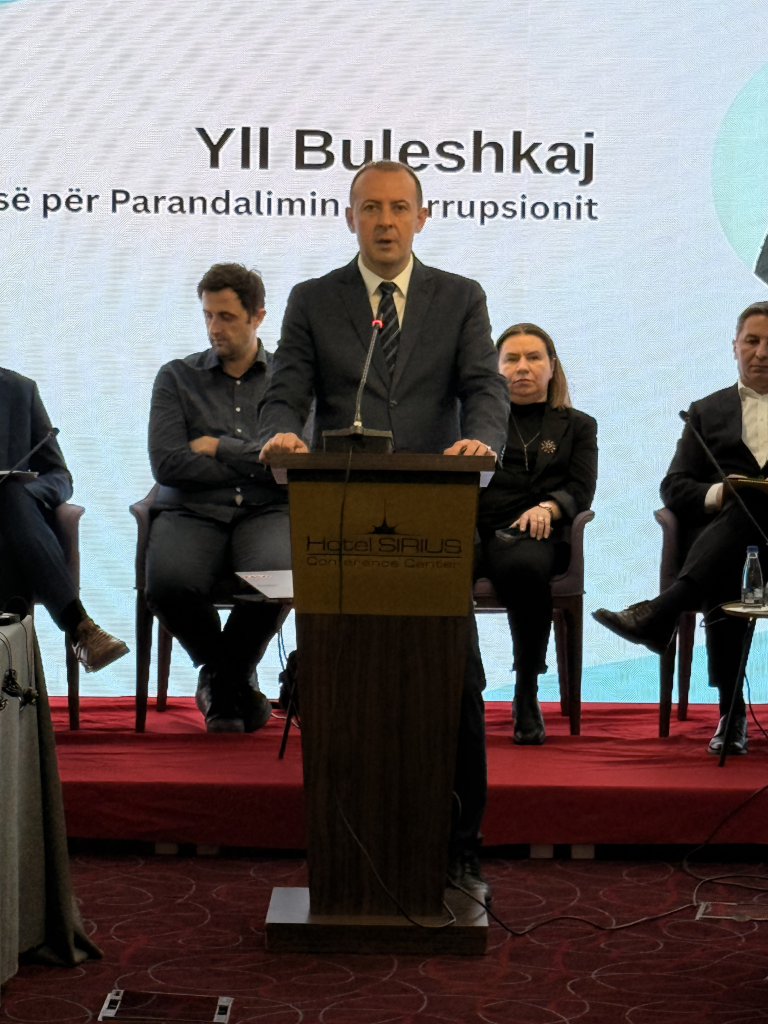
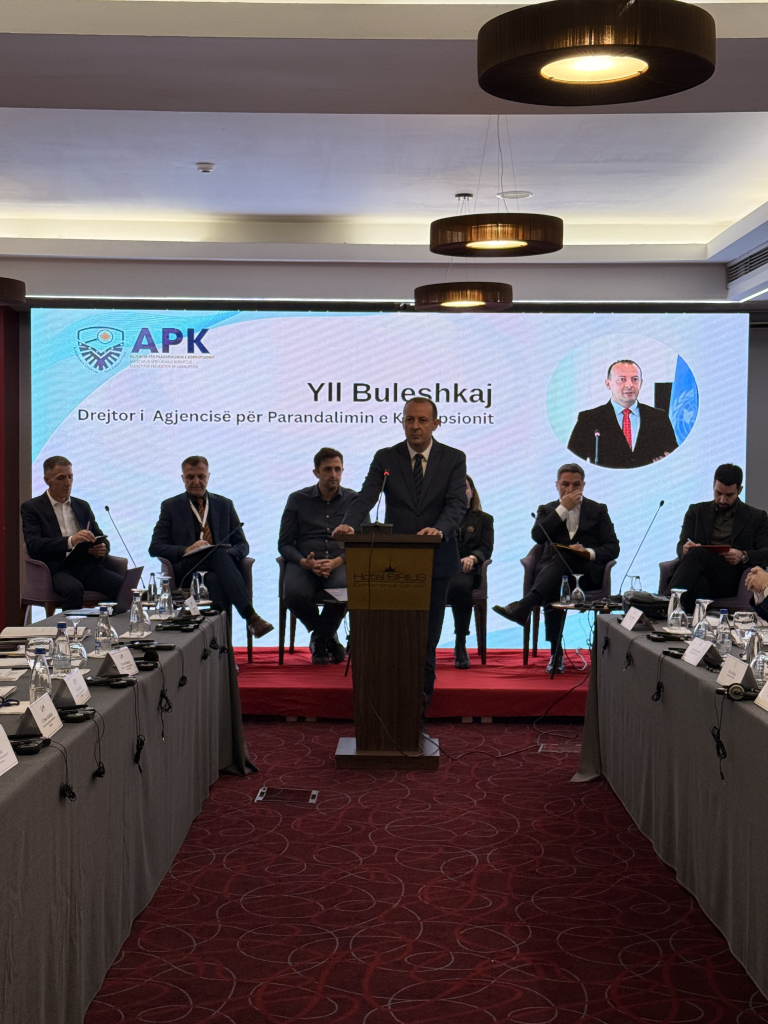
Opening the session, the Director of the APC, Mr. Yll Buleshkaj, emphasized that higher education is among the areas with the greatest long-term impact on society.
“Academic integrity is the pillar upon which university quality, meritocracy, and the trust of students and society in educational processes are built.”
Buleshkaj underlined that preventing conflicts of interest is one of the key mechanisms for ensuring fair academic governance and protection of the public interest.
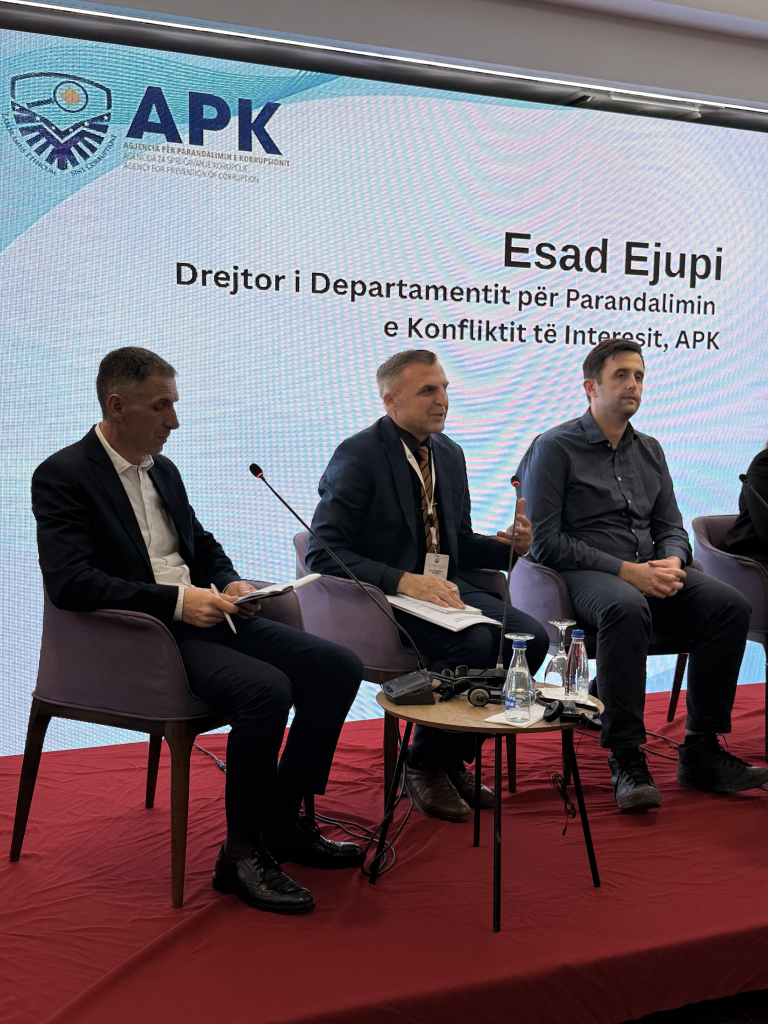
The need for increased responsibility and avoidance of conflict-of-interest situations was also highlighted by Esad Ejupi, Director of the Department for Conflict of Interest Prevention at APC, who noted that challenges in higher education remain evident.
“The Agency would be pleased if conflict-of-interest cases ended with self-declaration and withdrawal before decision-making. But practice shows that this does not always happen – and this is precisely where our challenge begins to strengthen institutional integrity.”
Risk assessment – the first step toward prevention
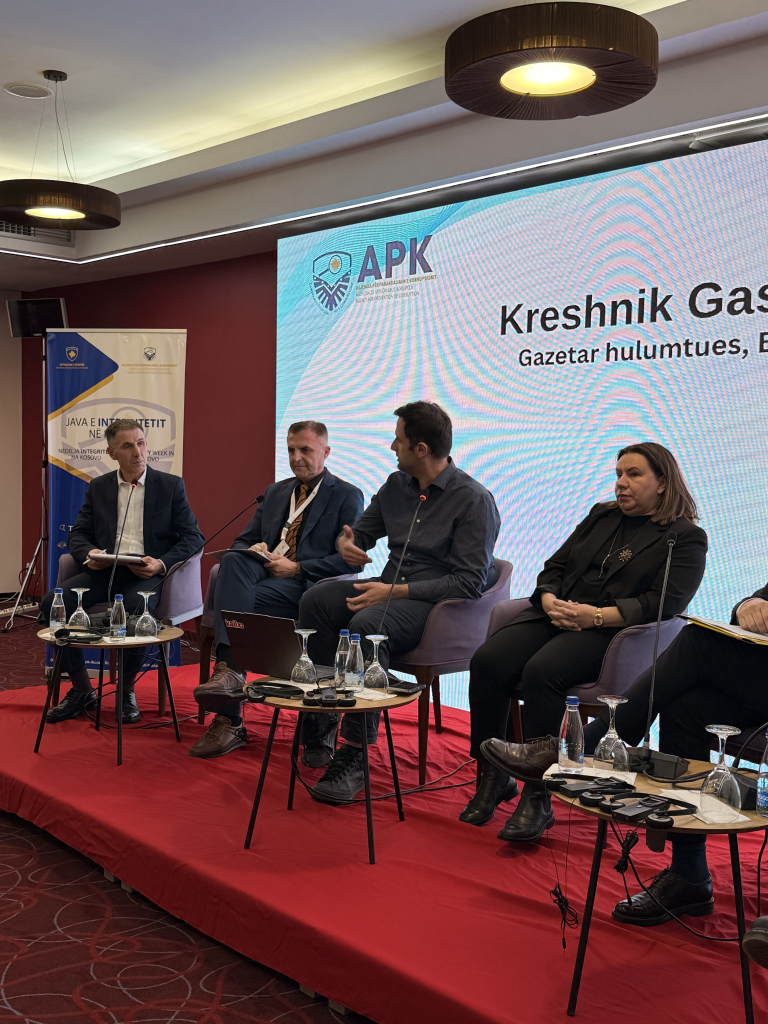
Investigative journalist at BIRN, Kreshnik Gashi, called for a more systematic approach to managing this issue.
“Institutions and universities must first conduct risk assessments. We still do not have clearly identified areas where the risk is highest. Only after this assessment can we build effective action plans.”
According to him, without such an approach, prevention mechanisms remain partial and not fully functional.
Institutional practices – a model for responsible governance
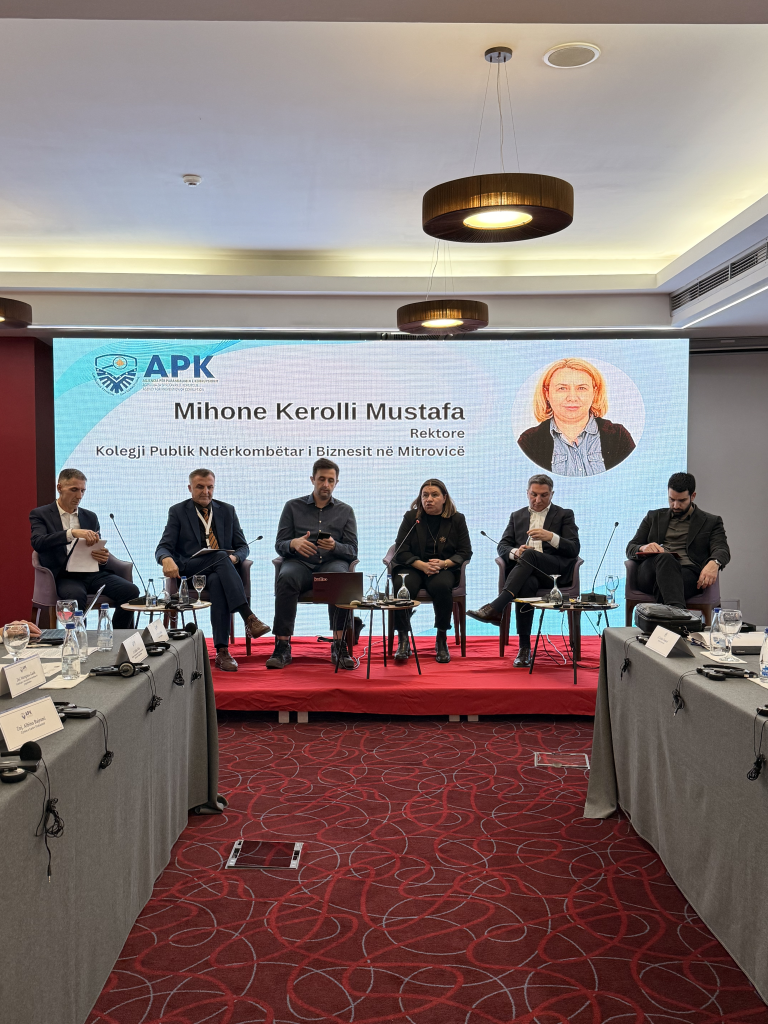
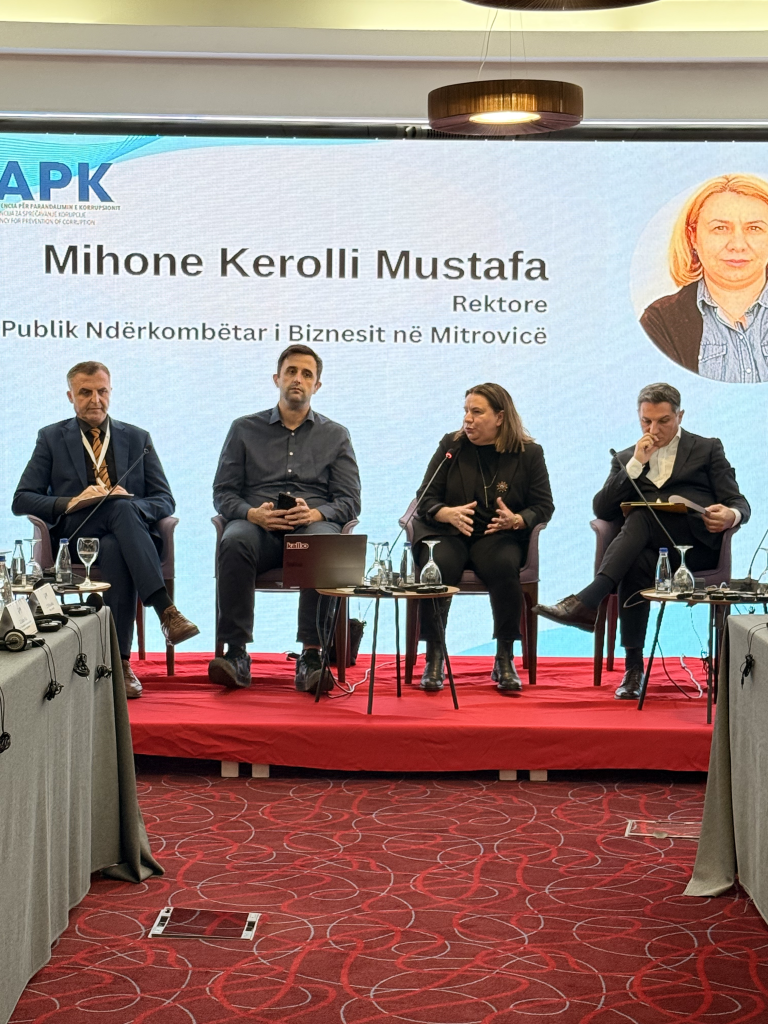
Important institutional representation came from the Rector of the Public College IBCM, Ms. Mihone Kerolli Mustafa, who presented her college’s approach to integrity.
“The college is in the process of redrafting its integrity plan and reviewing internal policies, redefining integrity risks in all core areas of institutional responsibility.”
She highlighted key mechanisms applied at IBCM, such as self-declaration of external engagements by academic and administrative staff, policies aligned with the Code of Ethics to ensure impartiality, and disciplinary mechanisms against abuse of authority, nepotism, and conflicts of interest.
The Rector emphasized that, as an institution managing public funds and projects such as Erasmus+, the college carries high legal and ethical standards regarding academic integrity.
Mechanisms in public universities – dual responsibility
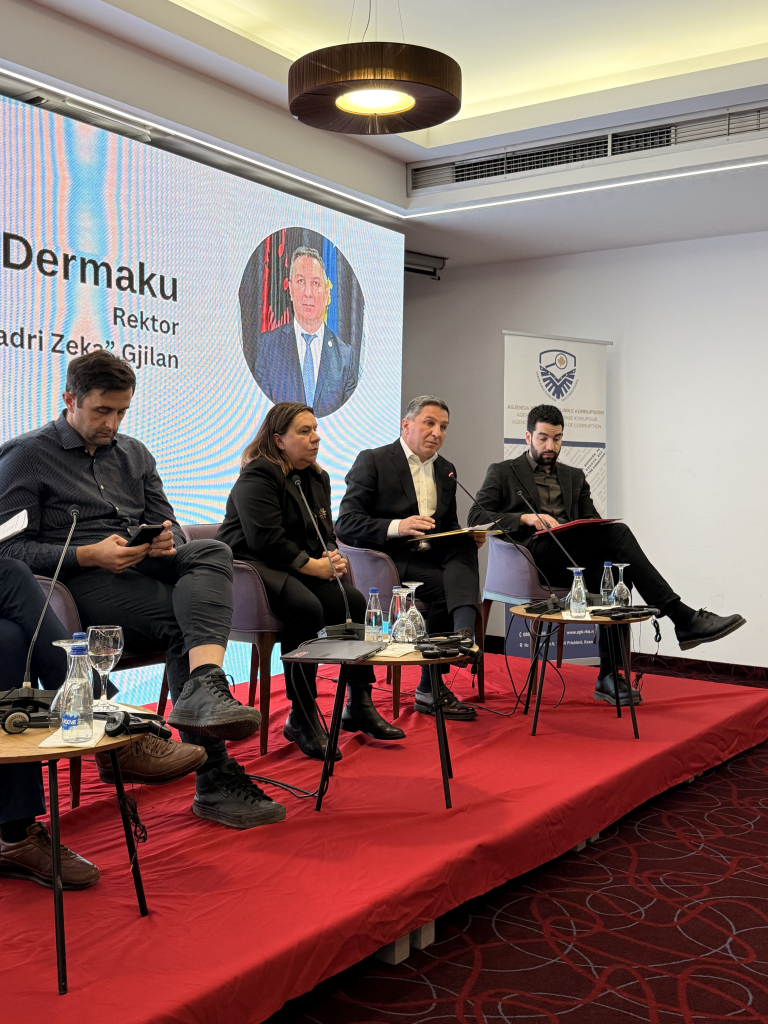
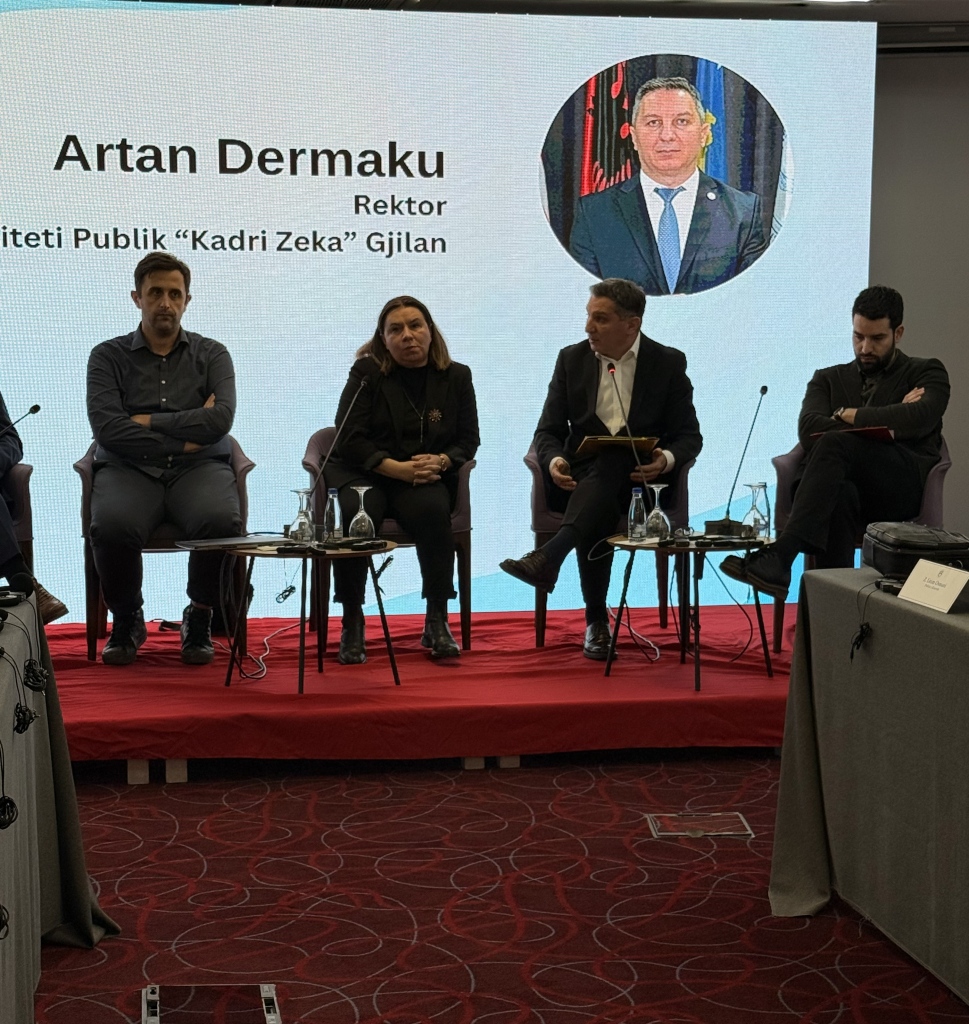
The Rector of Kadri Zeka University in Gjilan, Artan Dermaku, emphasized that although progress has been made in universities, external oversight by the APC and the Ministry of Education remains essential.
“Public universities have internal mechanisms for self-regulation, but they hold clear responsibility toward the state and the public. Kadri Zeka University has structured regulations on ethics, discipline, recruitment, and integrity ensuring transparency and impartial decision-making, but the role of the APC and the Ministry remains indispensable.”
Asset declaration – a tool for identifying conflict of interest
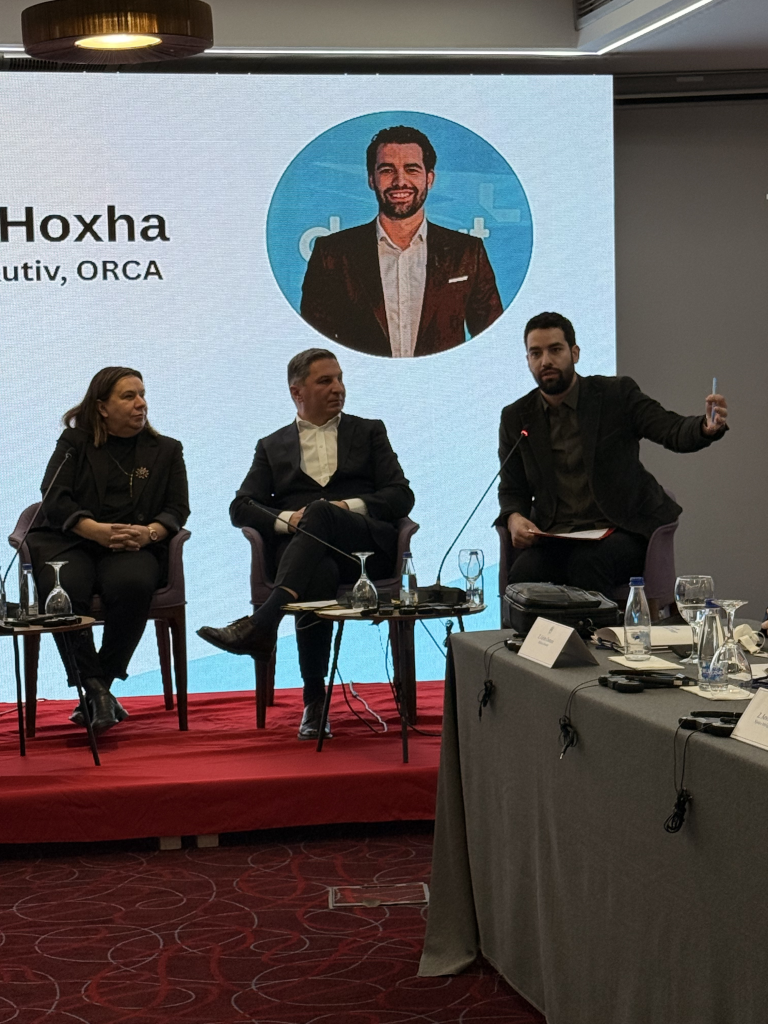
Executive Director of ORCA, Dibran Hoxha, emphasized the role of asset declaration in preventing potential abuses in higher education.
“Asset declaration is also a mechanism for identifying conflicts of interest in higher education.”
He presented some of ORCA’s most frequent findings in the 2024 declarations, including technical errors, structural inaccuracies, and multiple income declarations, stressing the need for standardization and clarification of declaration procedures.
Broad agreement – need for stronger mechanisms and more transparency
The discussion roundtable was moderated by Kreshnik Llabjani, Senior Officer for Information and Education at the APC, who guided the discussion toward concrete practices, oversight mechanisms, and ways to strengthen the culture of academic integrity in public and private institutions.
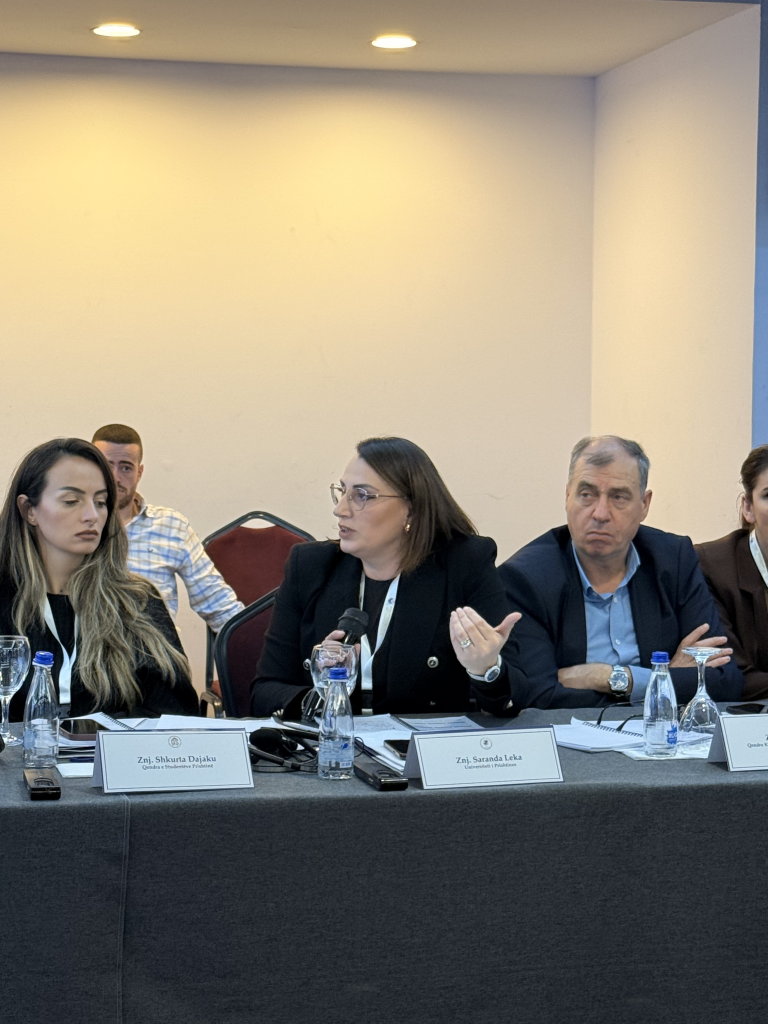
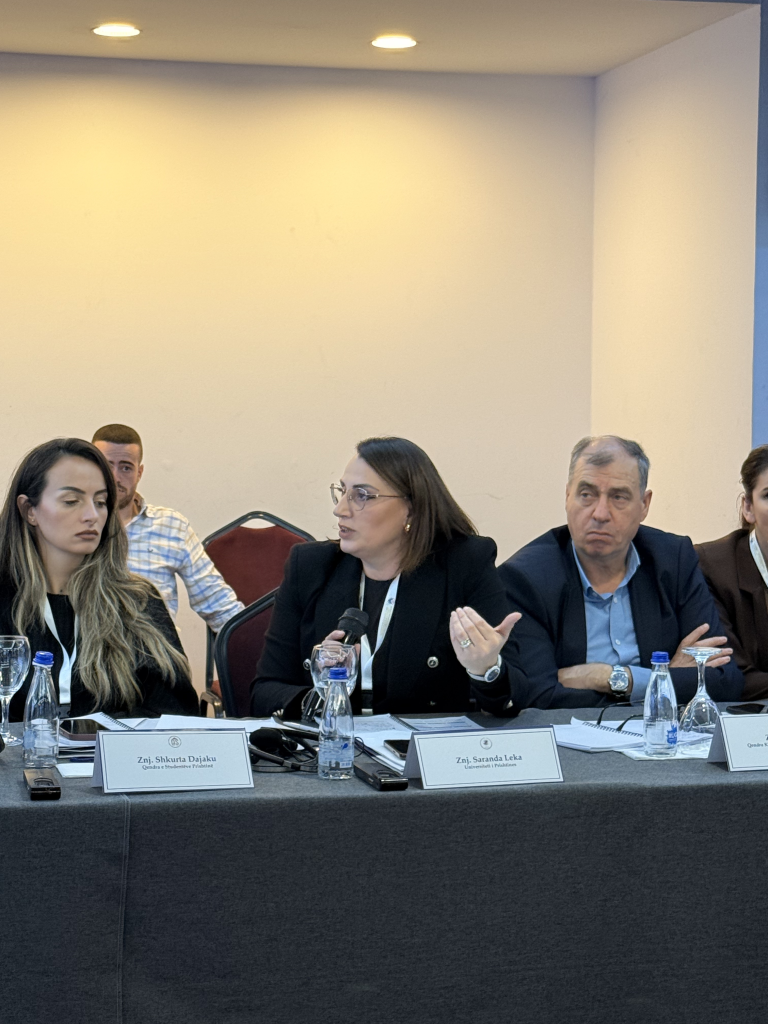
Participants from public universities, educational institutions, and civil society organizations emphasized that poorly managed conflicts of interest risk damaging university reputations and eroding citizens’ trust.
It was assessed that only through clear mechanisms, regular declarations, strong ethics, and responsible oversight can inappropriate influence in academic processes be prevented.
Integrity Week 2025 activities will continue tomorrow with additional thematic sessions, aiming to strengthen integrity, accountability, and a culture of good governance across all public institutions in the country.