
Prishtina, 12 December 2025 – The Agency for Prevention of Corruption (APC) welcomes the
publication of the Kosovo Law Institute’s (KLI) report “Asset Declaration – The Judicial Error
that Removed All Responsibility from Law Violators,” which provides a detailed analysis of
the impact that a Supreme Court judgment has had on the handling of cases of failure to
declare or false declaration of assets by public officials.
The APC values the professionalism of the report and considers it an important analytical
document that will contribute to clarifying judicial standards and restoring proper practice
in this vital field of public integrity.
At the presentation of the report, KLI senior researcher Gzim Shala emphasized that
although asset non-declaration has been criminalized since 2013, the Supreme Court
created a new standard through a judgment that, in his words, “has effectively changed the
law.” He assessed that this decision has caused “unequal and unlawful treatment,” creating
inconsistent handling between older and newer cases. He highlighted that the decision was
based on an abrogated legal provision (Article 17 of the 2011 Law), categorizing the offense
as a misdemeanor rather than a criminal act.
KLI argued that this constitutes a serious error with broad negative consequences for the
fight against corruption, calling on courts to apply the law in force in accordance with Article
102.3 of the Constitution, until a new position is issued by the Supreme Court.
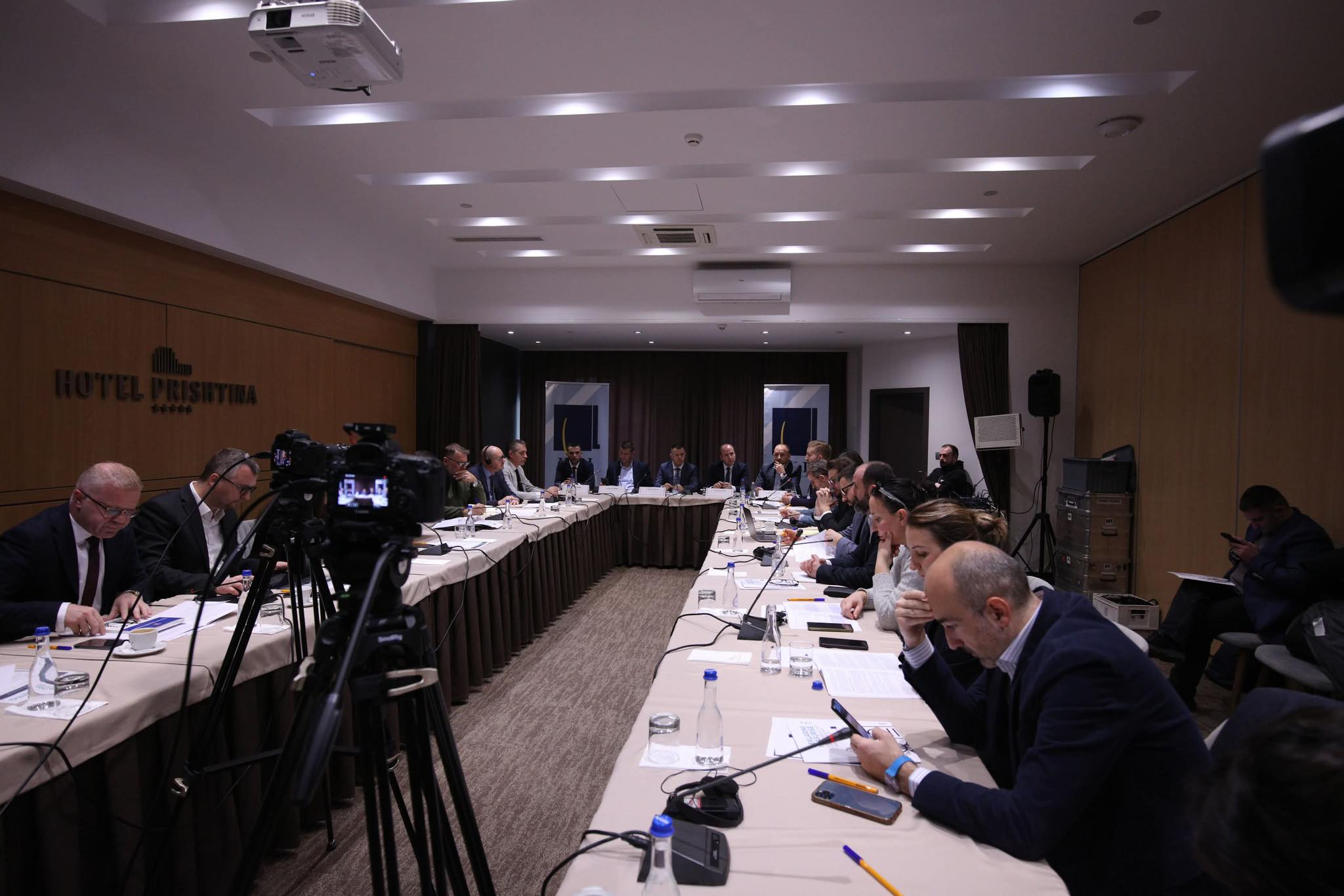
The roundtable gathered representatives from the judiciary, prosecution, the bar, and state
institutions, who offered various professional perspectives on the matter.
Supreme Court judge Burim Ademi stated that a single judgment cannot establish judicial
practice: “Judicial practice cannot be built on one judgment… The entire prosecutorial and
judicial system should not rely on a single case.” He added that the recommendations of the
report are correct, and that abrogated provisions cannot be applied in criminal cases.
Prosecutor at the Basic Prosecution in Prishtina, Arianit Salihu, assessed that: “We now have
a new standard of what is considered an asset in the criminal sense… Last year’s April
judgment has changed the entire approach.” According to him, the judgment has a domino
effect on judicial practice, and he expressed agreement with IKD’s findings.
Basic Court judge Gent Beka emphasized the complexity of these cases: “It is difficult to
separate the administrative line from criminal liability… Many of the cases are linked to
reports from the Anti-Corruption Agency.”
APC Director Afrim Atashi stressed that the Supreme Court ruling has directly affected the
Agency’s mandate: “The Supreme Court’s judgment has significantly limited us. Even though
our criminal reports are dismissed, we are legally obliged to continue submitting them.”
The APC recalls that asset declaration is one of the most important mechanisms for
preventing corruption, and any ambiguity in its interpretation creates room for public
officials to evade criminal liability. The Agency strongly believes that KLI’s report is a
significant professional contribution to the justice system, and that its findings will help:
unify judicial practice, strengthen public integrity, increase officials’ accountability, and
restore trust in the asset declaration system.