
Pristina, 8 December 2025
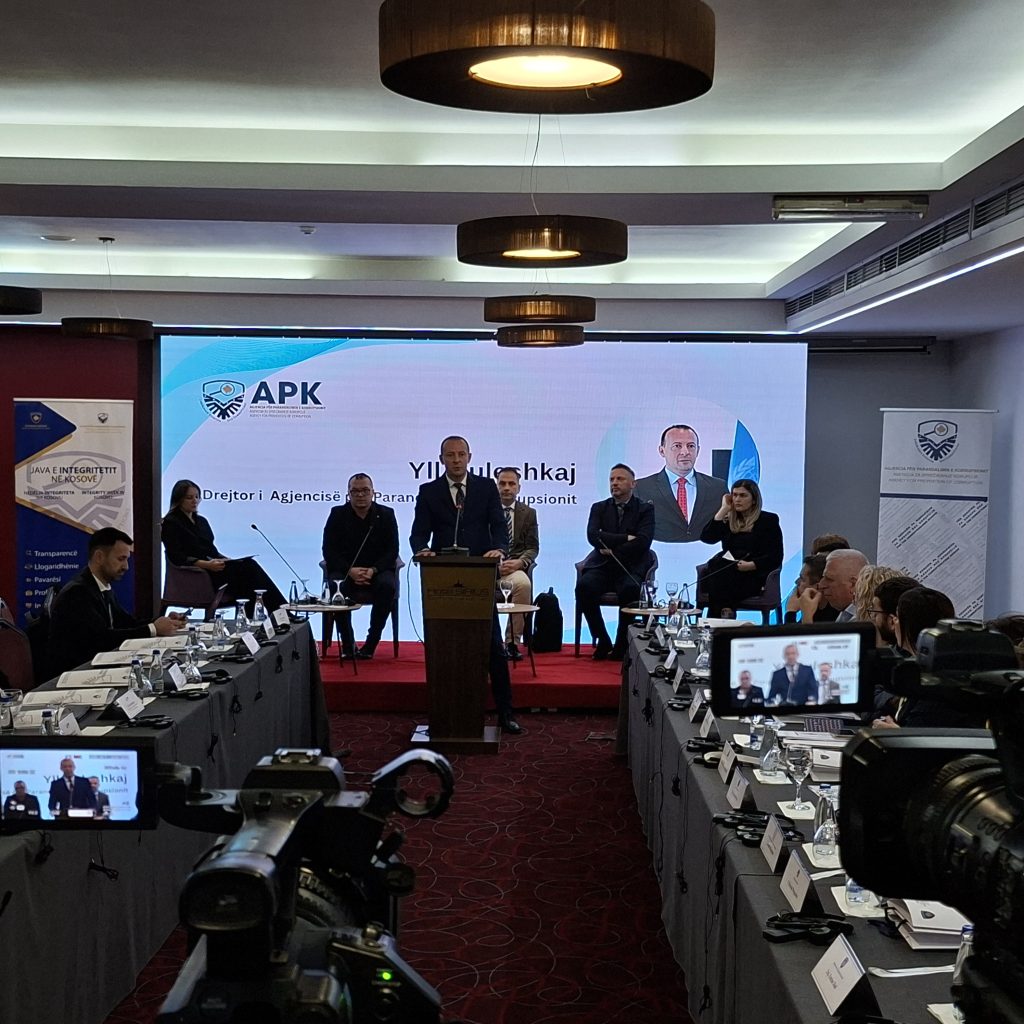
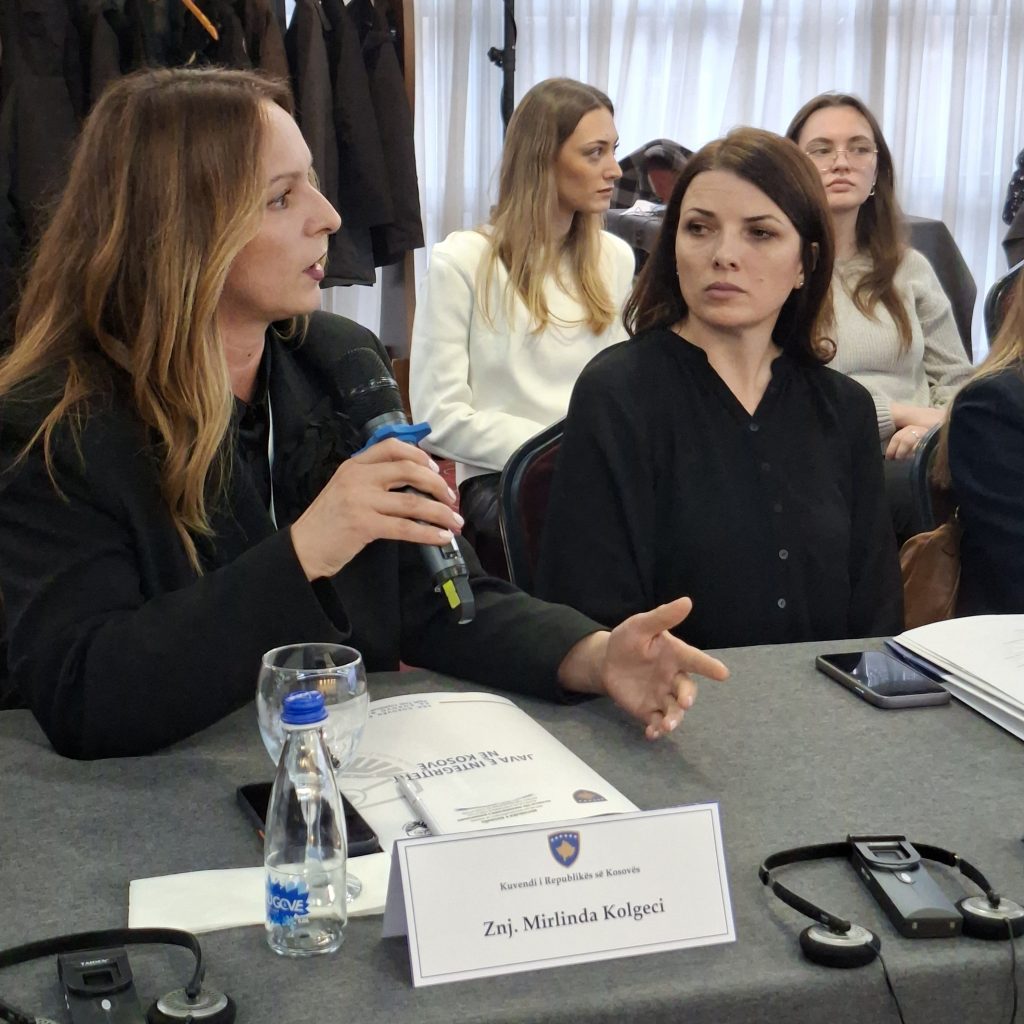
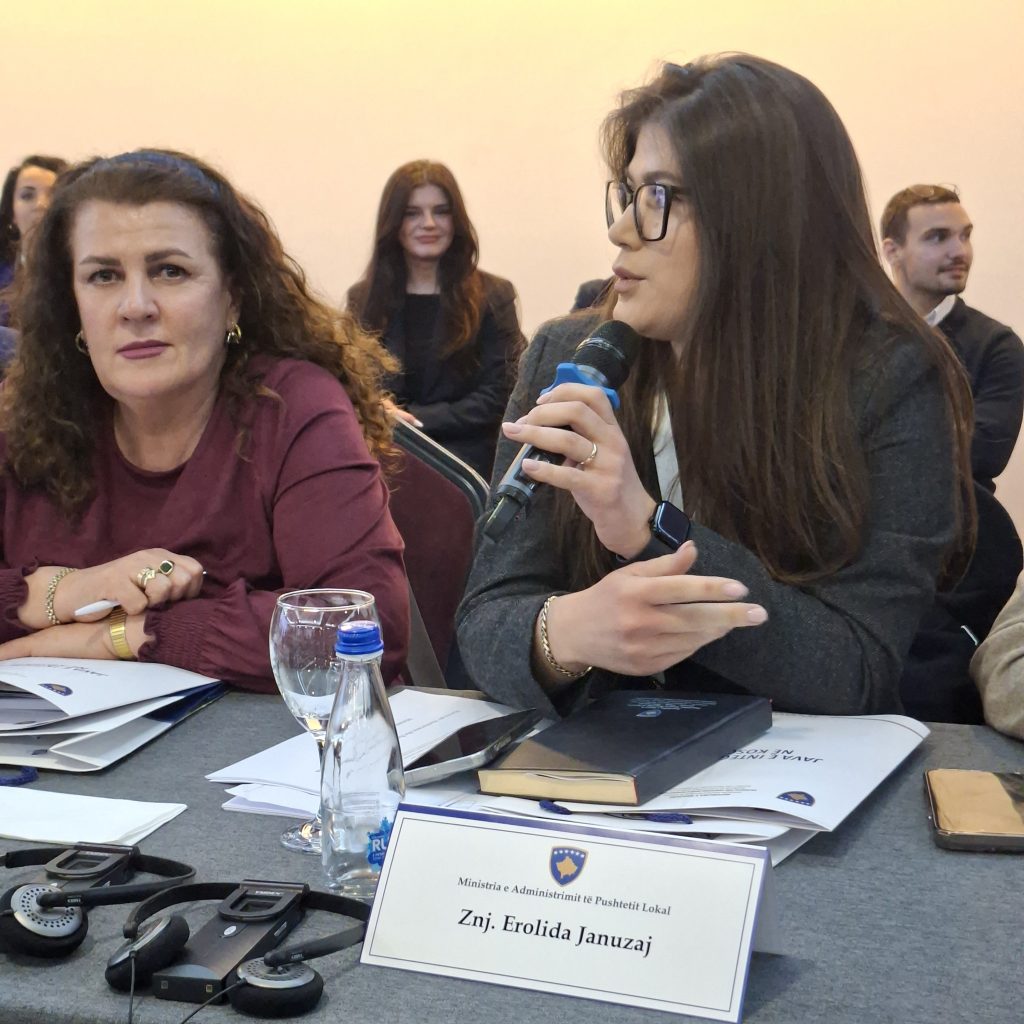
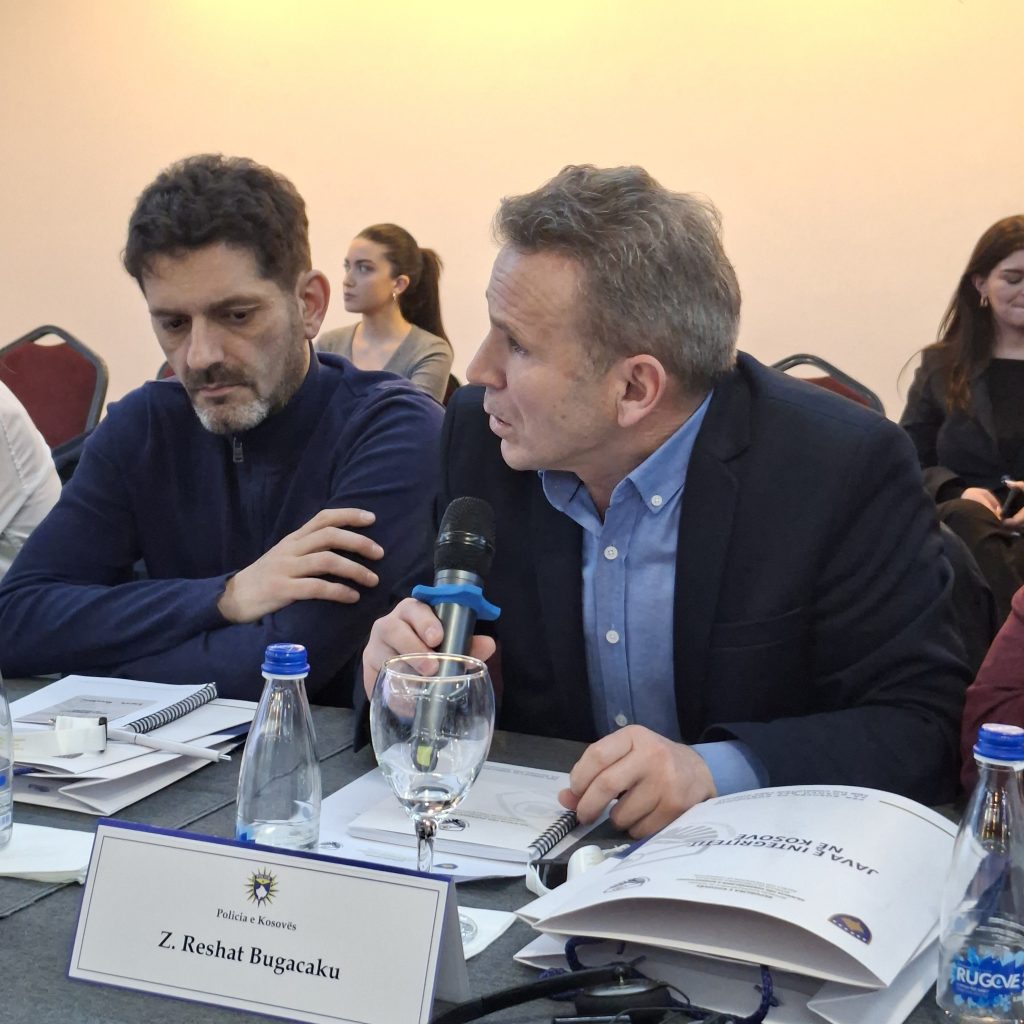
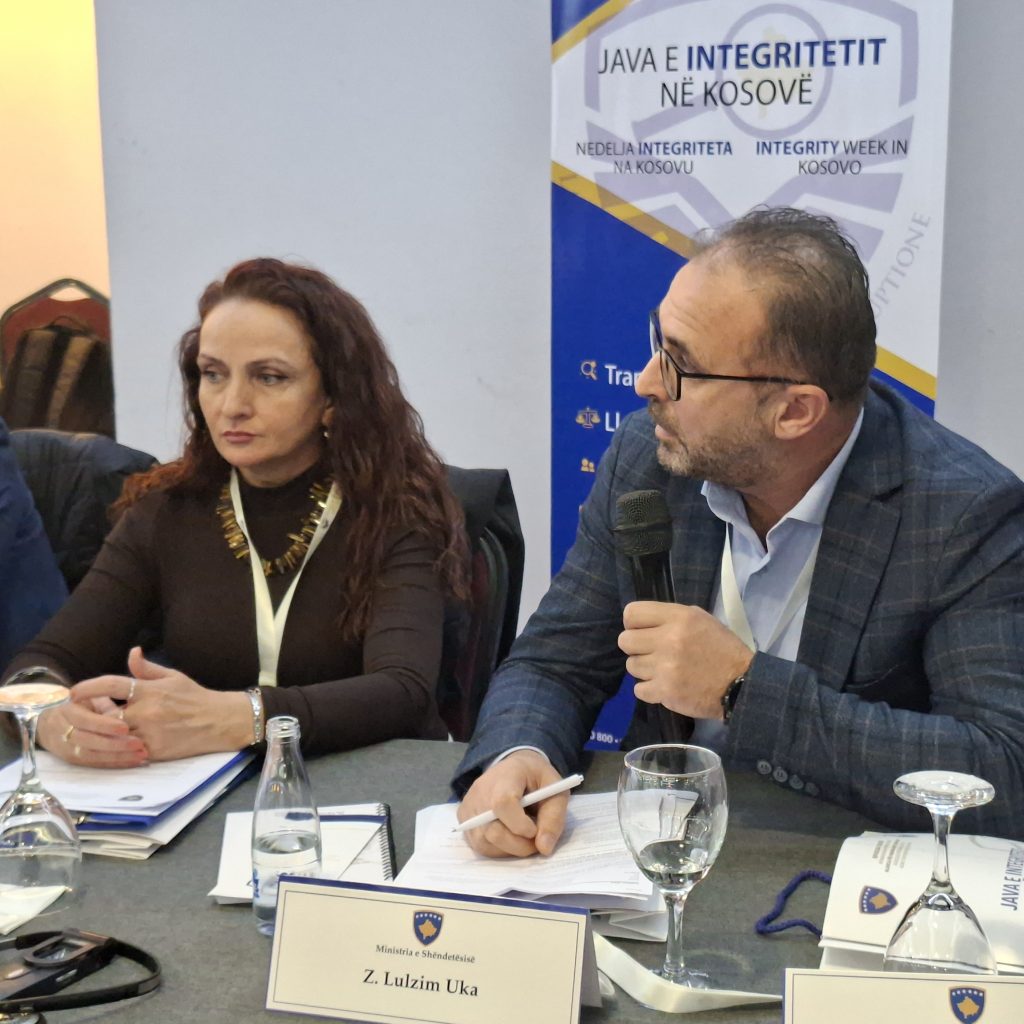
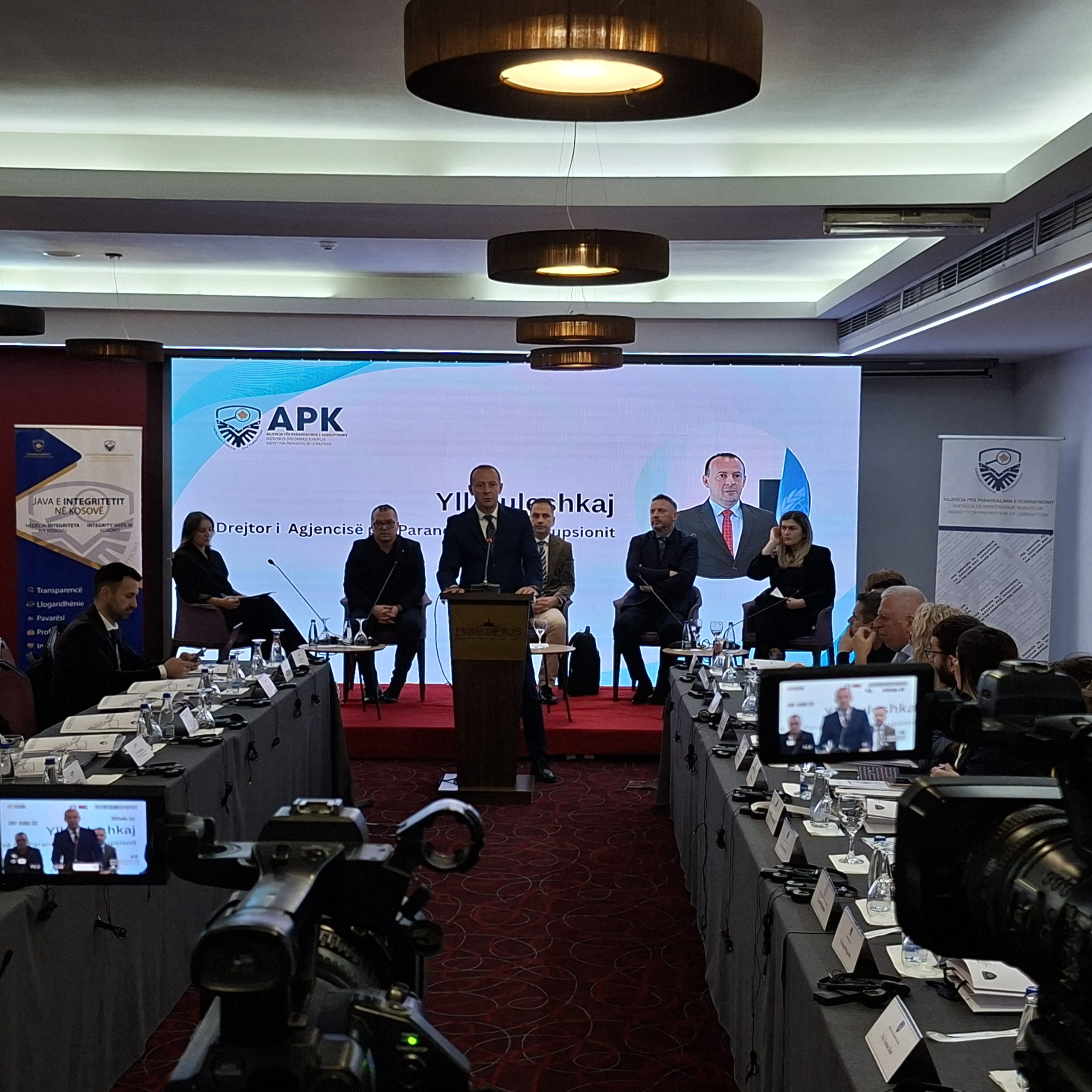
The Agency for Prevention of Corruption (APK), in cooperation with the APK Consultative Forum with Civil Society, opened today the activities of Integrity Week 2025 with its first thematic panel, focused on the importance and impact of integrity plans in the public institutions of the Republic of Kosovo.
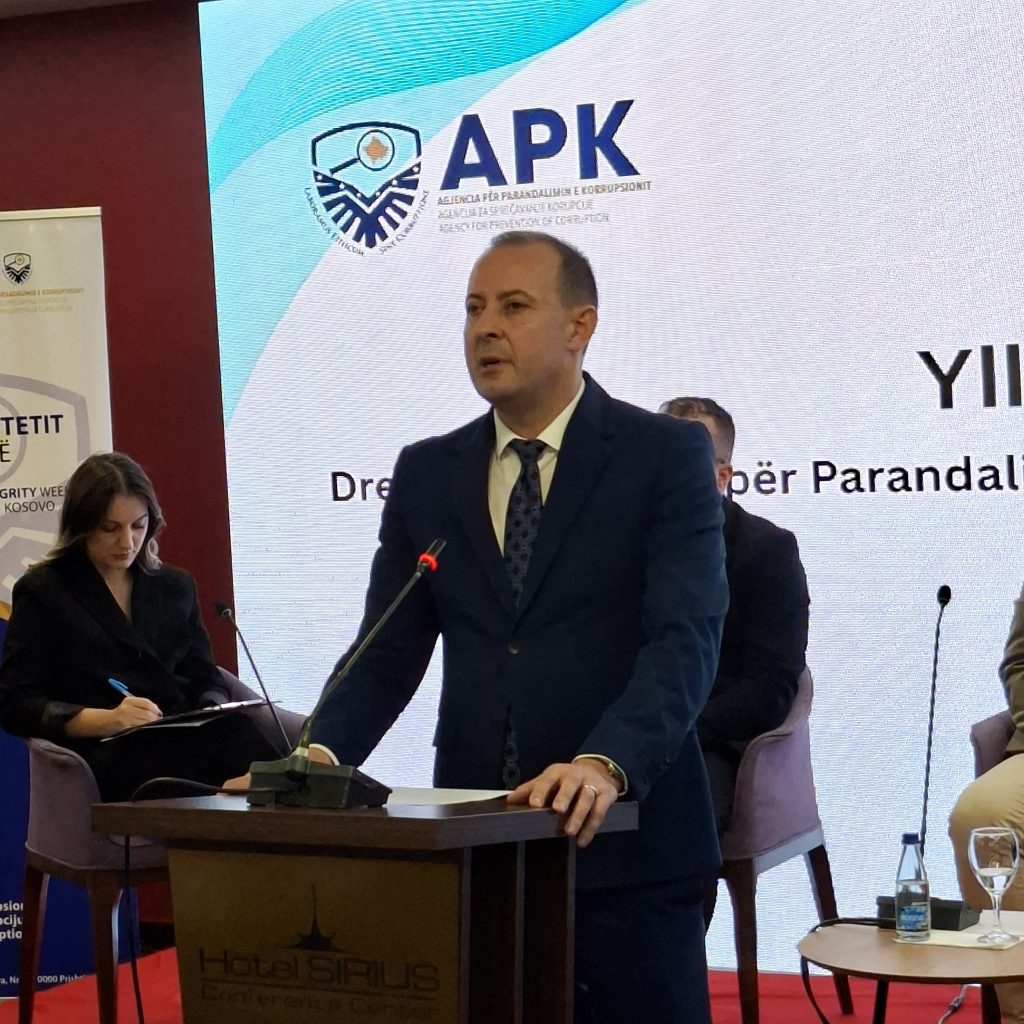
In his opening remarks, the Director of APK, Mr. Yll Buleshkaj, highlighted the importance of strengthening proactive mechanisms for preventing corruption and building a culture of institutional accountability.
He emphasized that Integrity Week has become an important annual platform aimed at raising public awareness and deepening inter-institutional cooperation in the fight against corruption, as part of the marking of the International Anti-Corruption Day – 9 December.
“In Kosovo, the integrity of officials and institutions is no longer optional – it is a legal obligation and a professional standard,” stated Director Buleshkaj as he opened Integrity Week 2025.
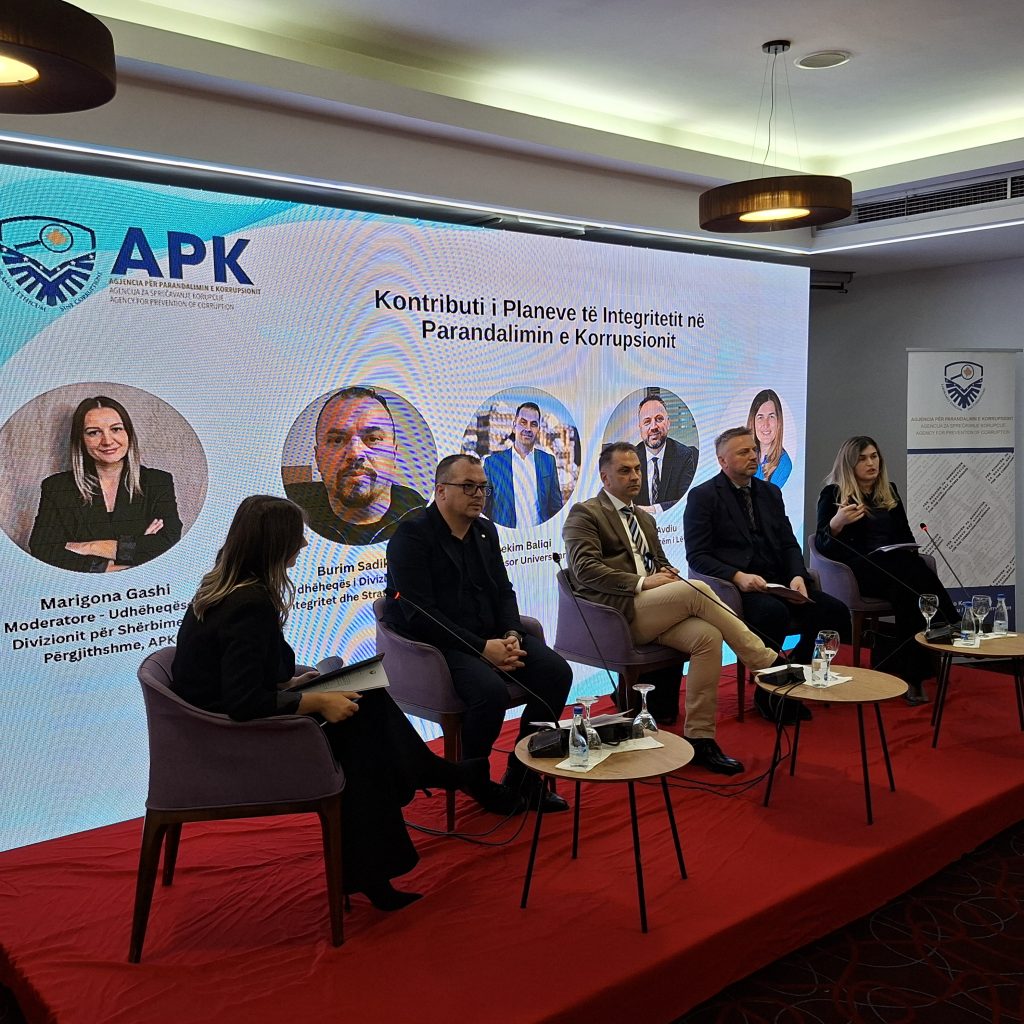
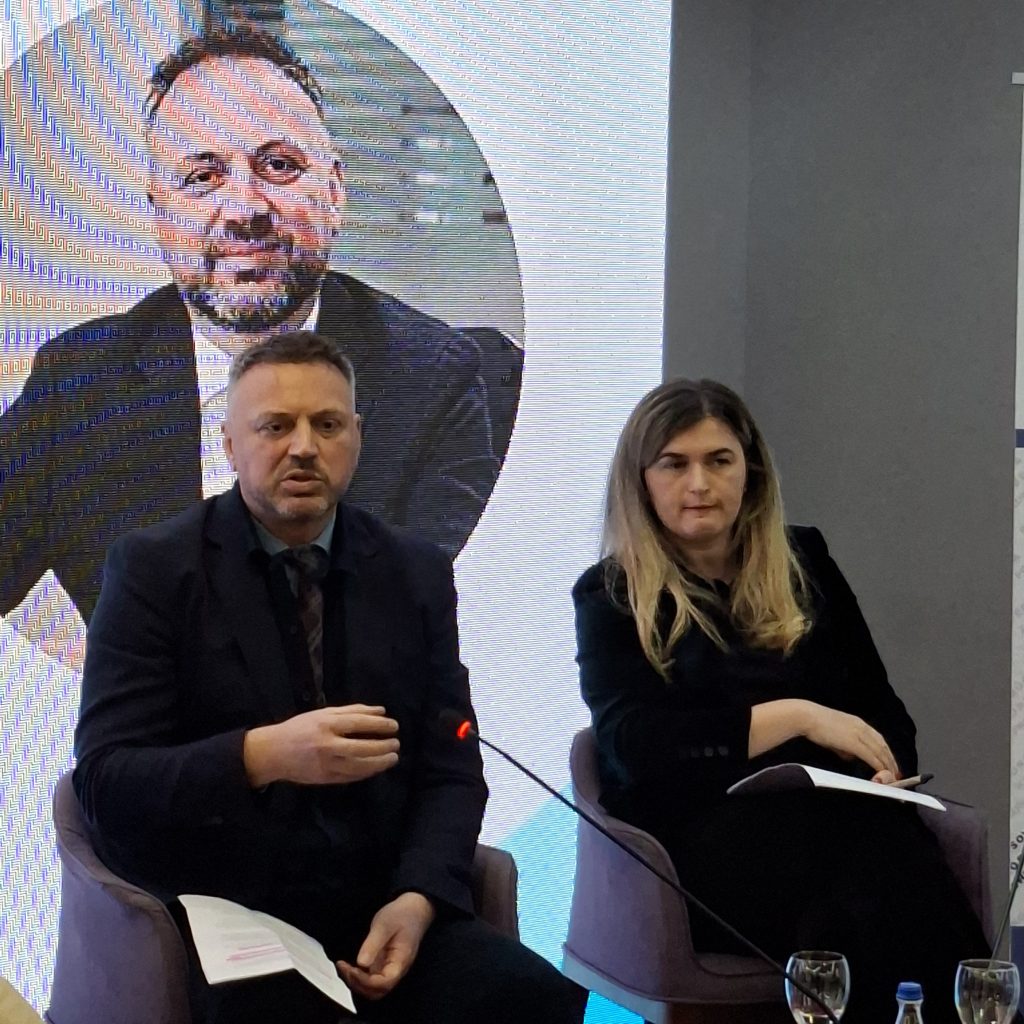
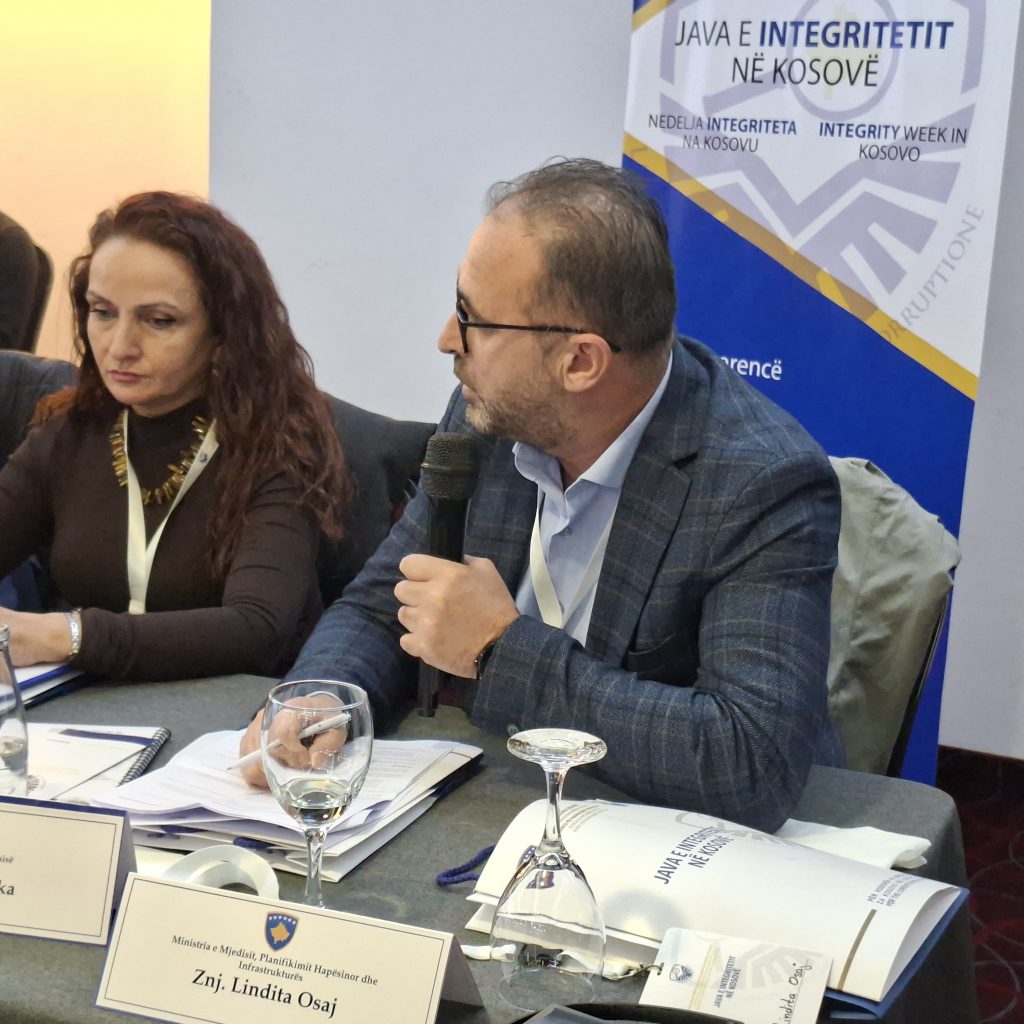
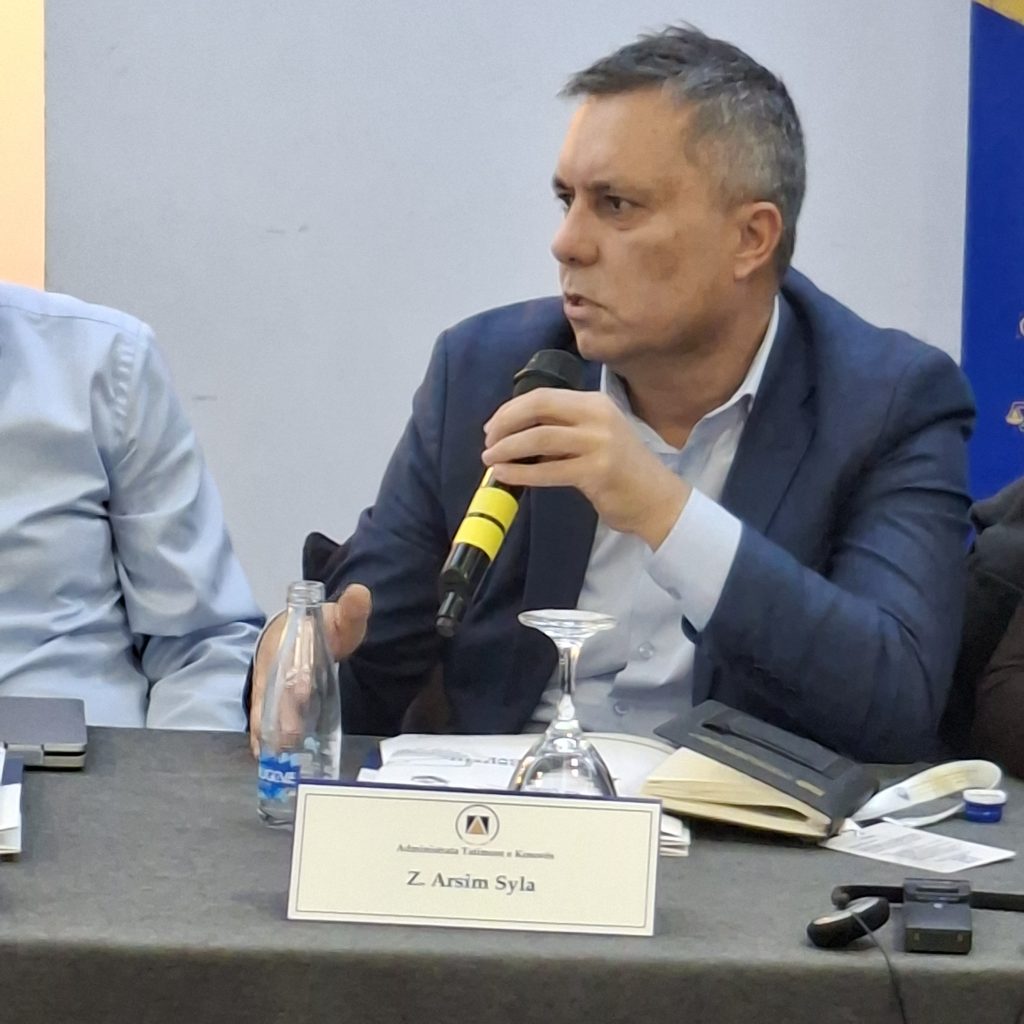
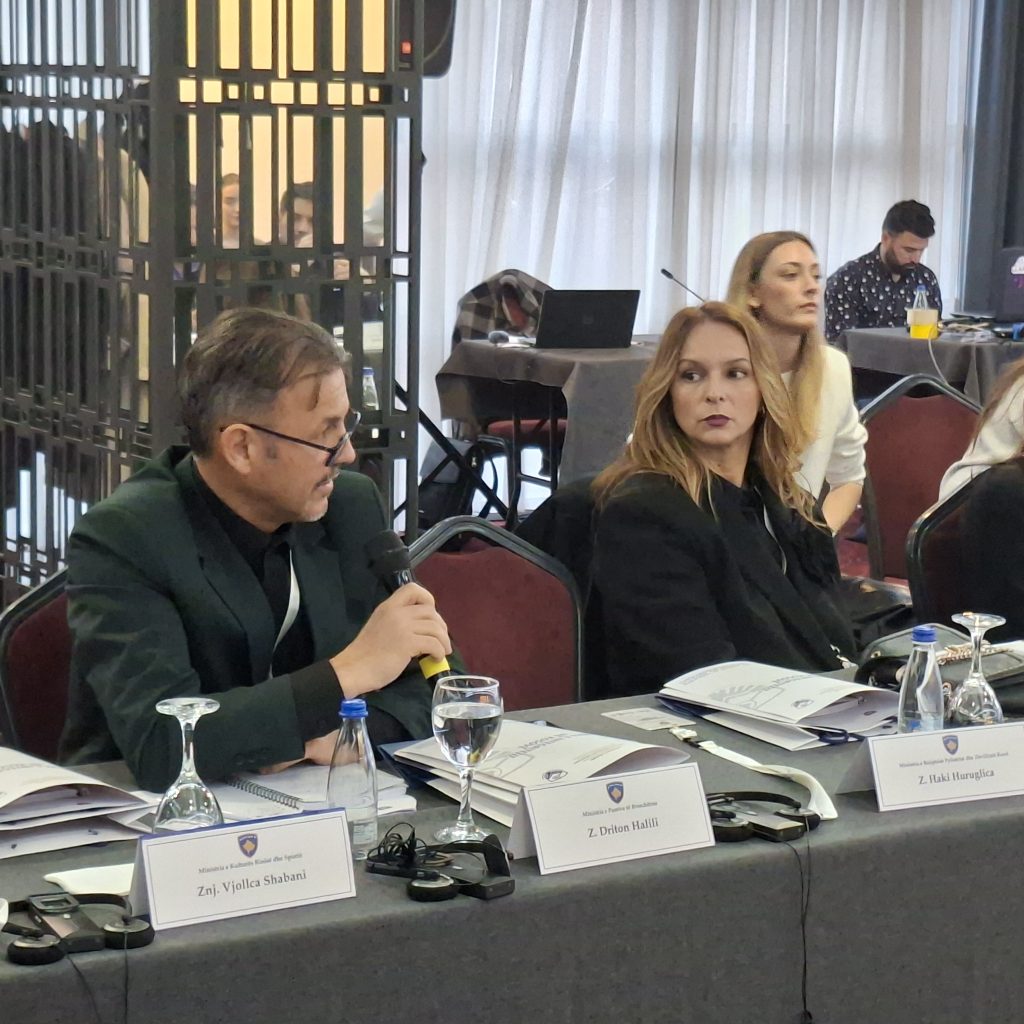
The panel titled “The Contribution of Integrity Plans in Preventing Corruption” brought together institutional representatives, academics, and civil society experts, offering a comprehensive overview of the implementation, challenges, and opportunities for advancing these plans across the public sector.
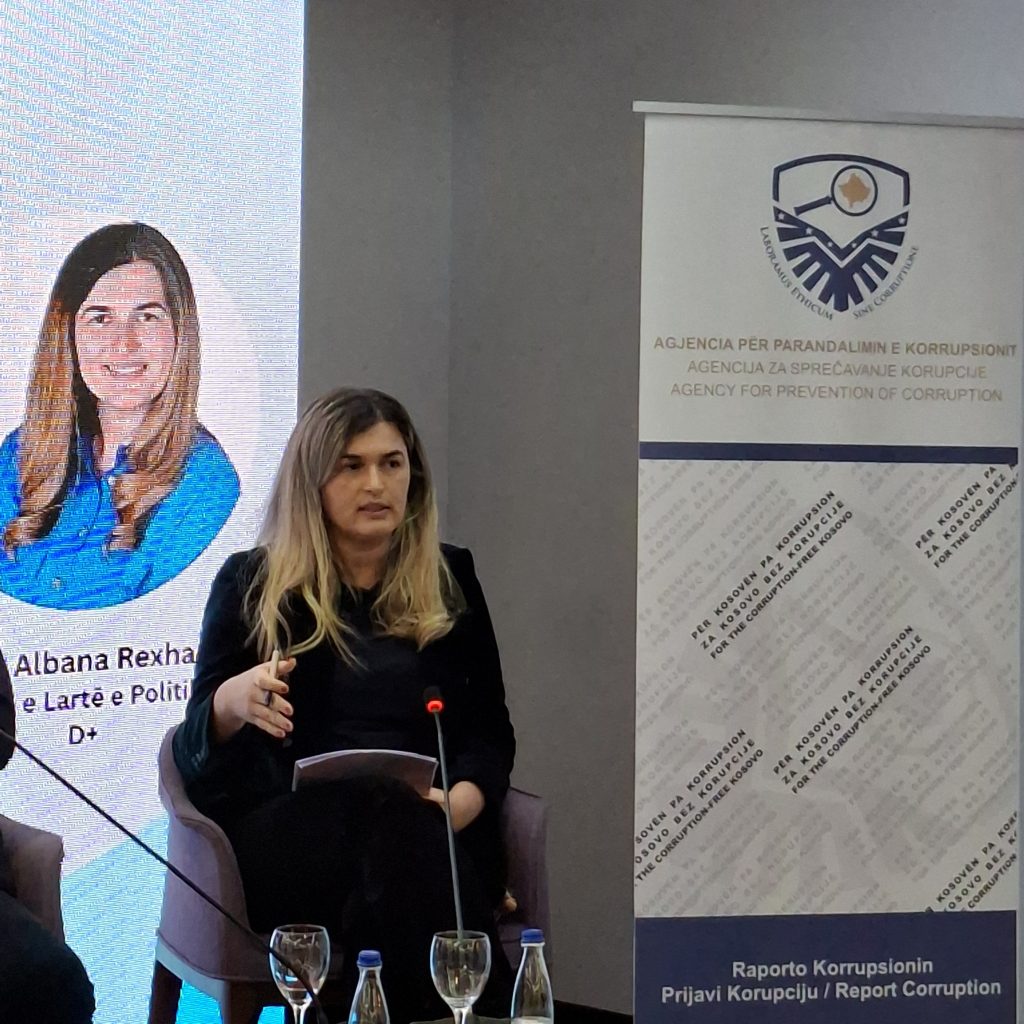
Opening remarks were delivered by: Burim Sadiku, Head of the Division for Integrity and Strategy – APK; Bekim Baliqi, University Professor – UP; Albert Avdiu, External Consultant – Lëvizja FOL; Albana Rexha, Senior Policy Analyst – Democracy Plus (D+). The panel was moderated by Marigona Gashi, Head of the Division for General Services – APK.
In his statement, Mr. Burim Sadiku stressed that integrity plans remain key mechanisms for the early identification of risks and the strengthening of internal control within institutions.
According to him, where these plans are implemented seriously, “transparency increases, opportunities for abuse decrease, and the institutional culture of accountability is strengthened.”
He added that standardization, digitalization, and stronger engagement of institutional leadership are essential for improving the effectiveness of these plans across the public sector.
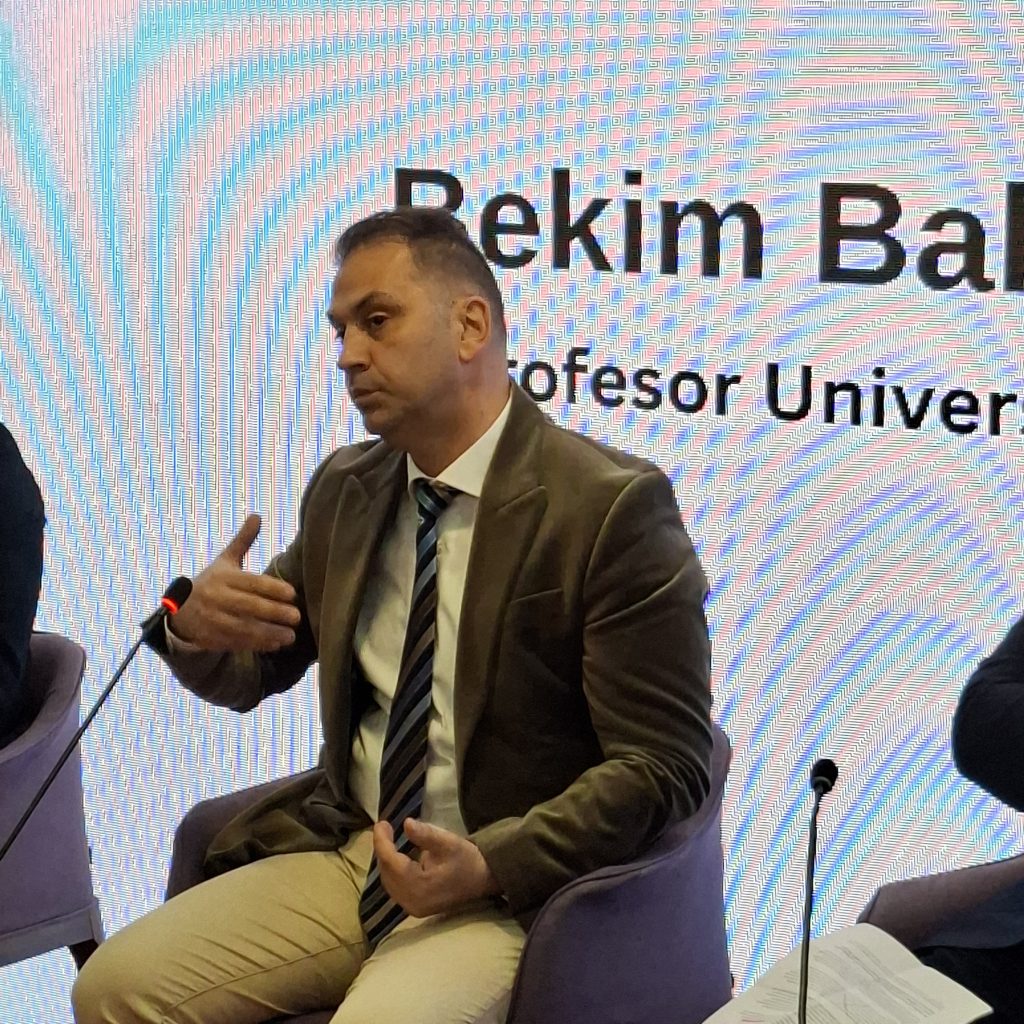
Panelist Prof. Bekim Baliq emphasized that the purpose of the Integrity Plan, the drafting methodology, and the legal basis are properly designed and highly important for strengthening accountability and transparency.
“I believe that these documents, like many strategies and regulations in the country, have become more formal reporting tools (for the government or the EU), rather than real instruments that change institutional behaviour. This happens due to incomplete implementation, weak or ineffective monitoring, and political influence over oversight authorities. Furthermore, there is a clear lack of human and financial resources,” he noted.
Albert Avdiu stated that integrity plans must be harmonized with other assessments used to prevent misuse, such as financial risk assessments.
Meanwhile, Albana Rexha emphasized that for an integrity plan to bring real change, it must meet four key criteria: institutional ownership, staff involvement in drafting, monitoring through measurable indicators, and regular review.
The discussion, moderated by Ms. Marigona Gashi, focused on practical issues such as gaps identified during the drafting of the plans, the functionality of monitoring, the highest corruption-risk areas in the public sector, and the role of measurable indicators in advancing institutional integrity.
Participants agreed that integrity plans must become living, operational tools directly linked to decision-making and institutional performance.
Civil society representatives emphasized the importance of independent monitoring, while institutional representatives stressed the need for greater cooperation in capacity-building and process digitalization.
The activities of Integrity Week 2025 will continue in the coming days with additional thematic sessions aimed at strengthening the culture of integrity and promoting corruption prevention at all levels of public administration.