
Prishtina, 12 December 2025
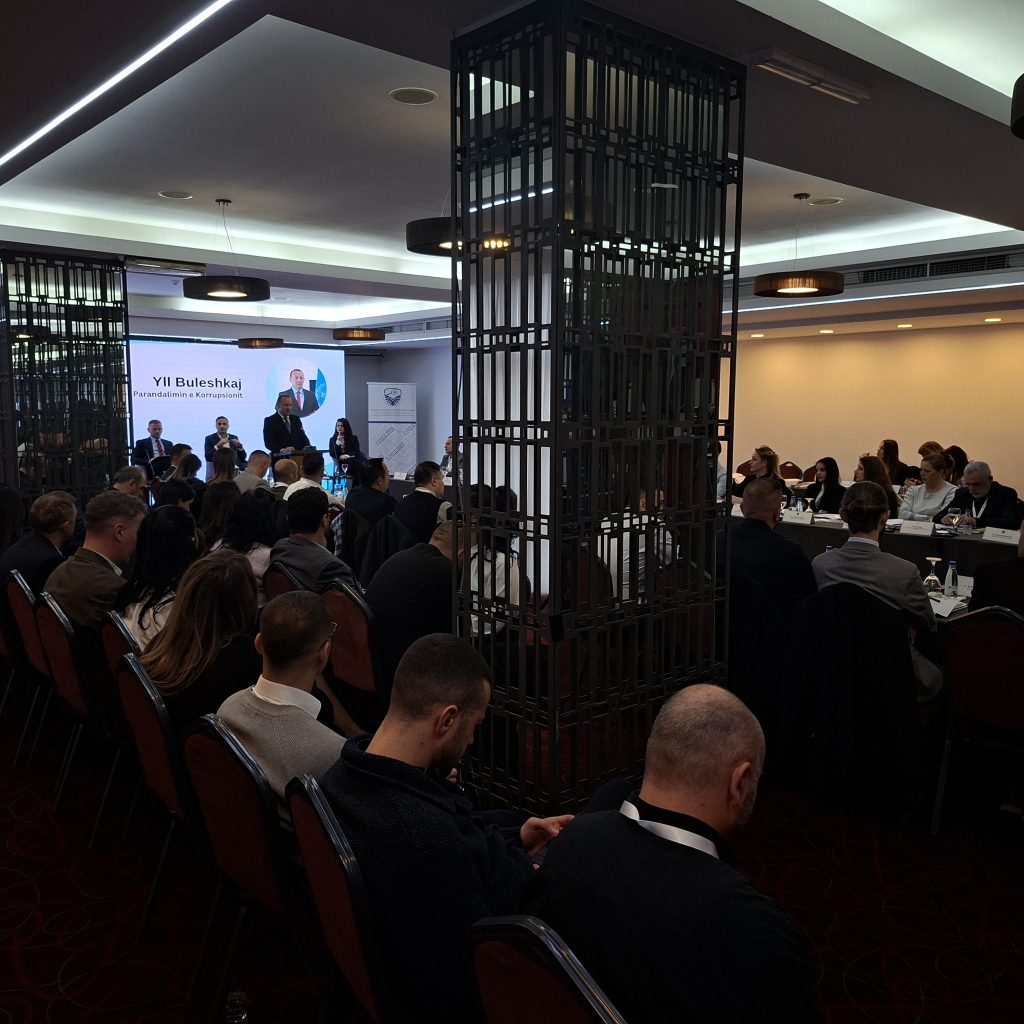
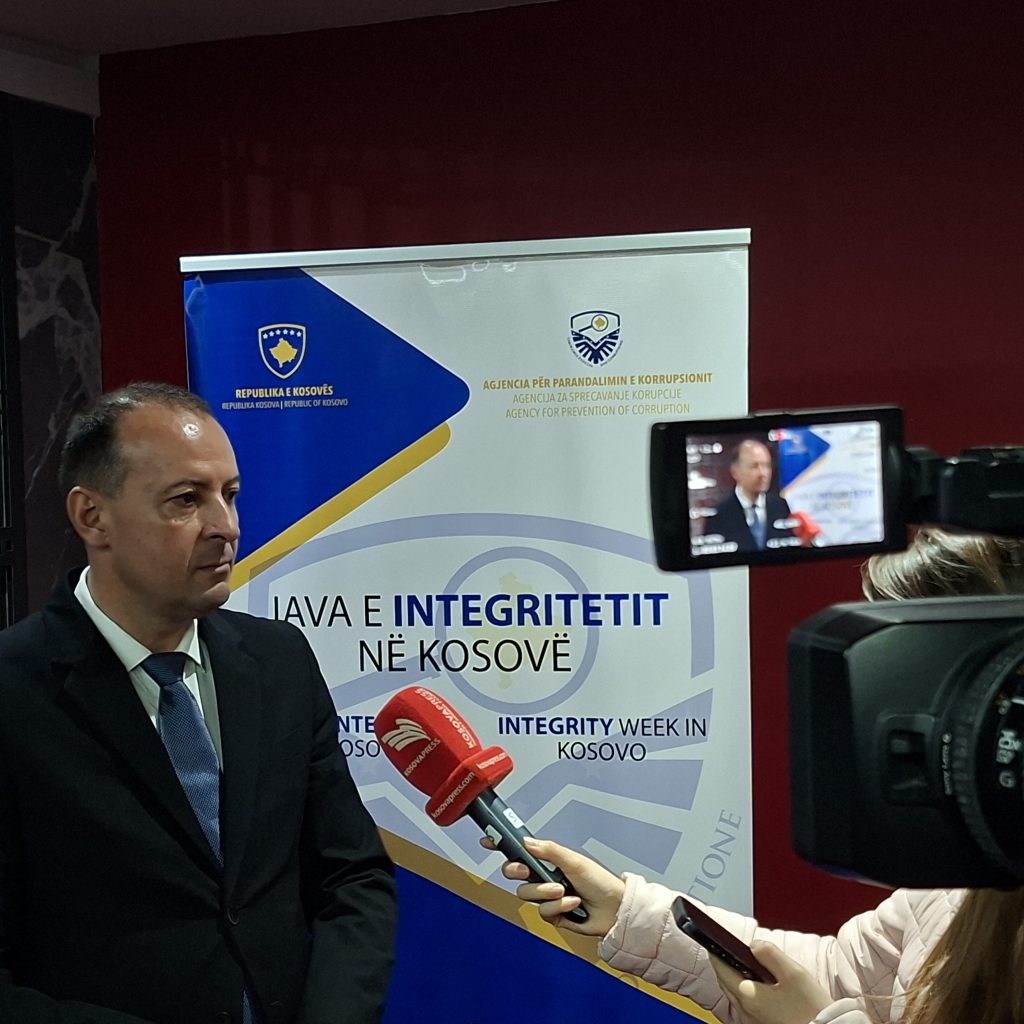
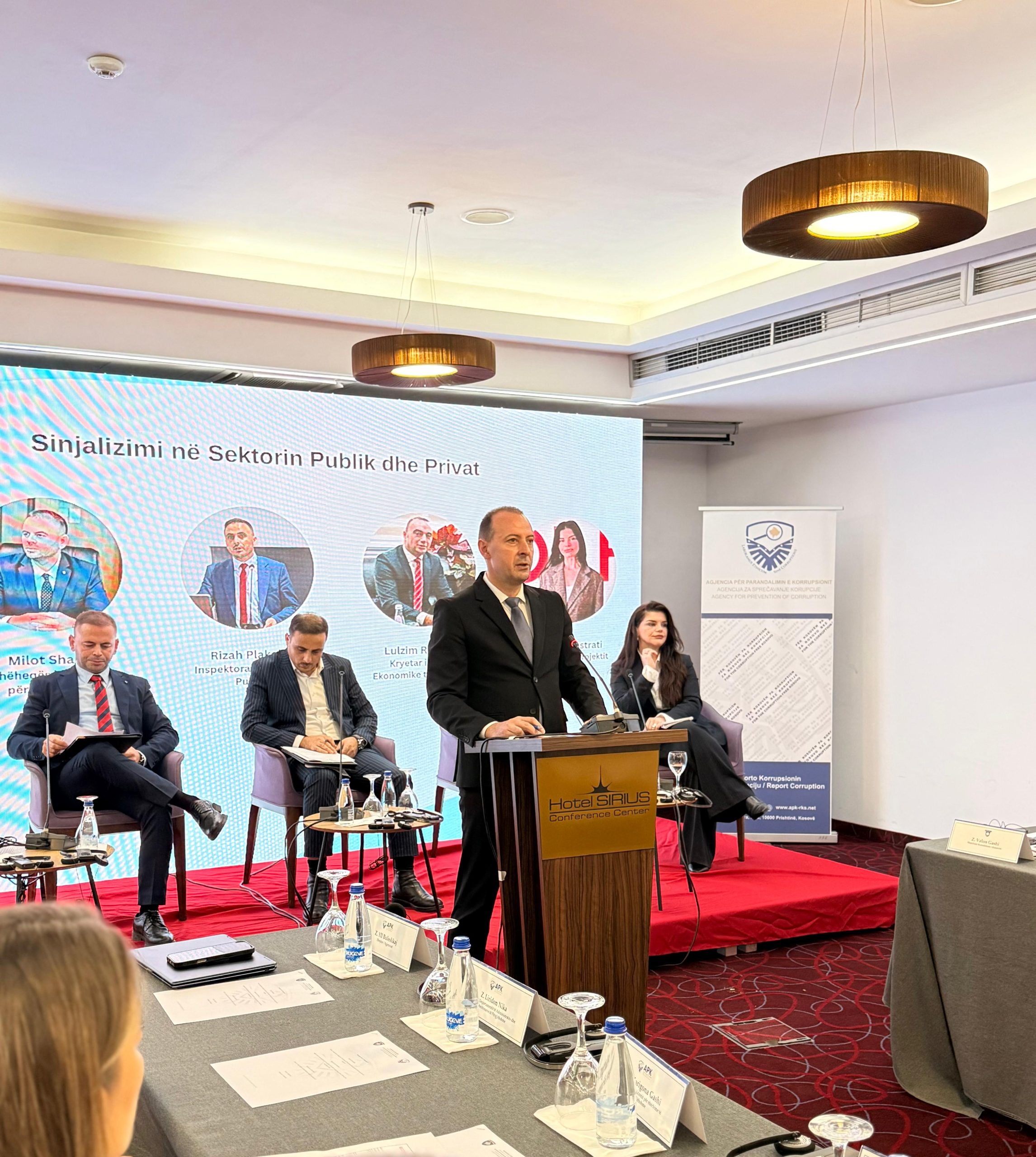
The fifth day of Integrity Week 2025, organized by the Agency for Prevention of Corruption (APC) in cooperation with the APC Civil Society Advisory Forum, focused on one of the key mechanisms for strengthening transparency and safeguarding the public interest: whistleblowing in the public and private sectors.
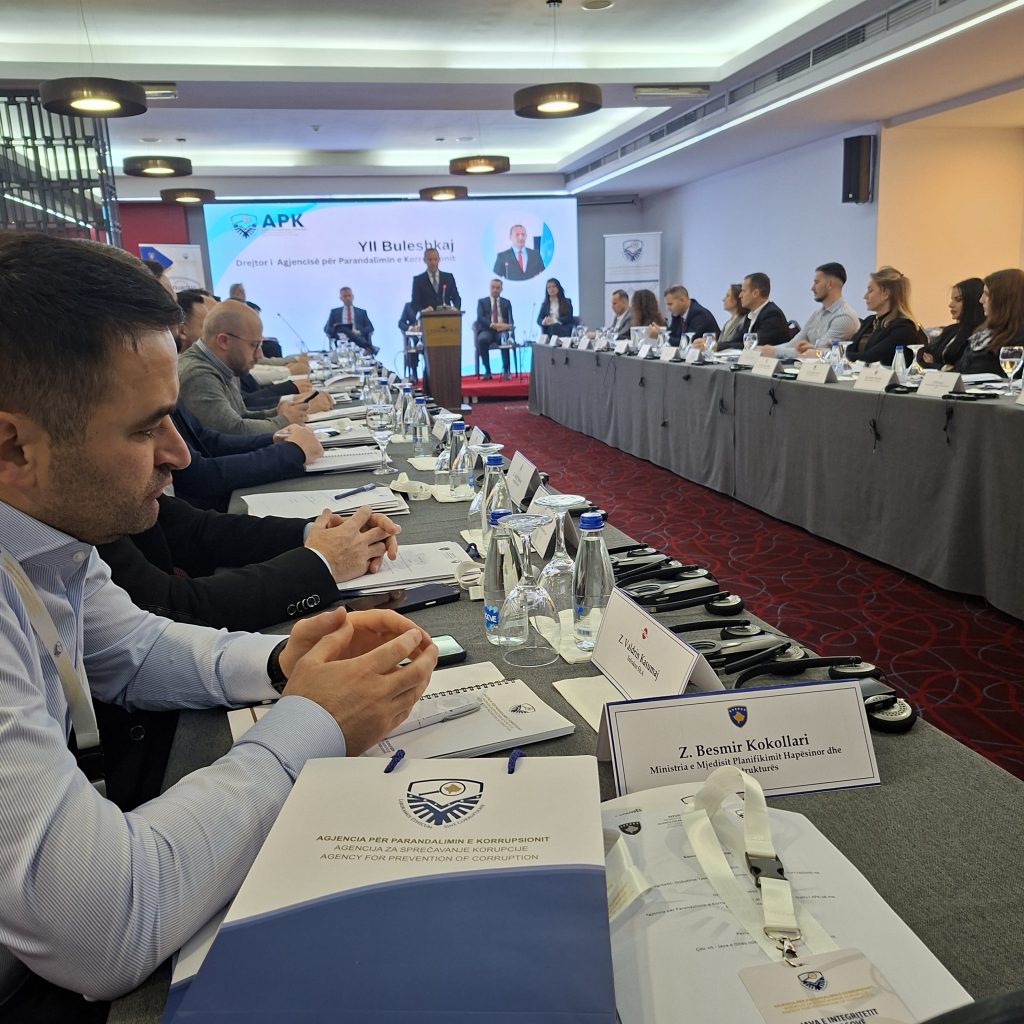
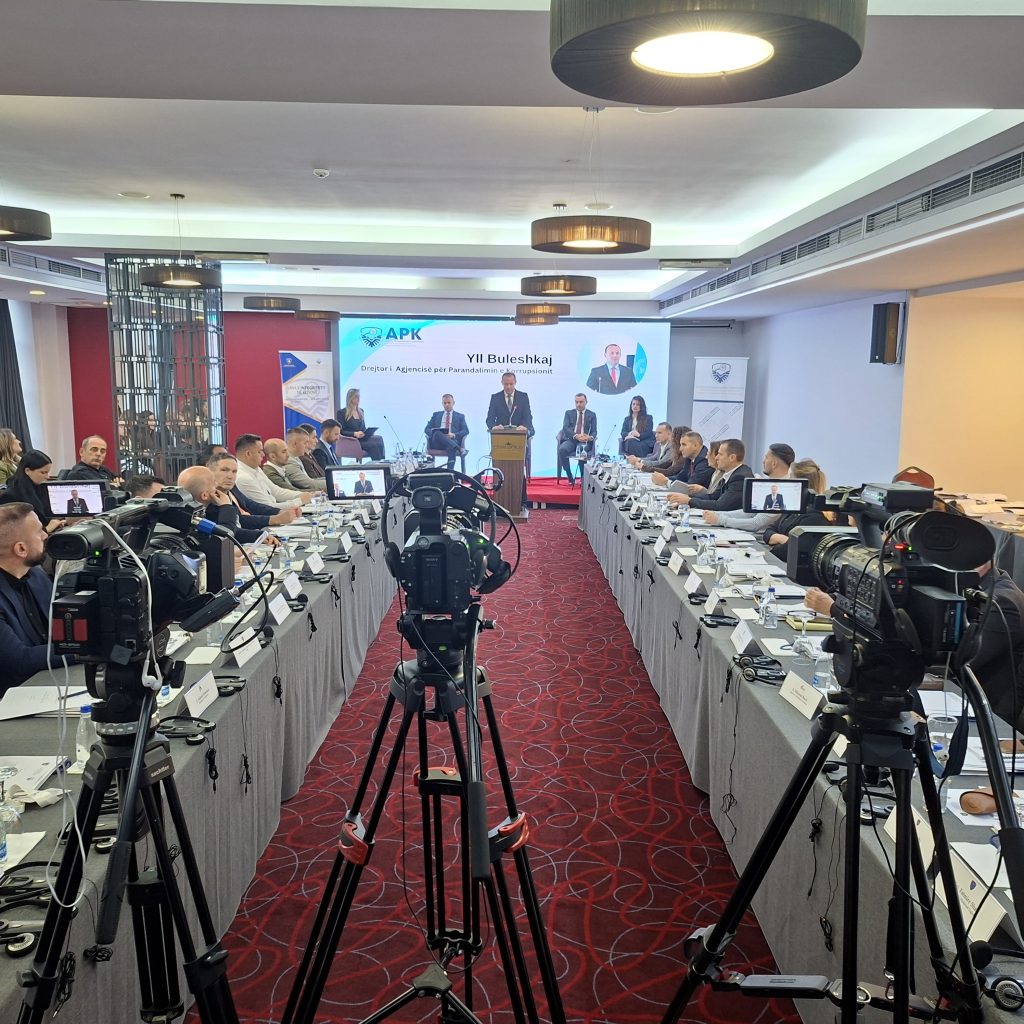
At the opening of the thematic session, the Director of APC, Mr. Yll Buleshkaj, emphasized that whistleblowers are an indispensable link in preserving institutional integrity.
“Integrity of public officials is not an option – it is a shared responsibility, and whistleblowers are our strongest allies on this path. Whistleblowing, whether in the public or private sector, is an essential mechanism for protecting the public interest and for moving closer to European standards,” he stated.
Director Buleshkaj stressed that whistleblowing in Kosovo, in both the private and public sectors, is highly important if the country aims to advance more rapidly in the integration process.
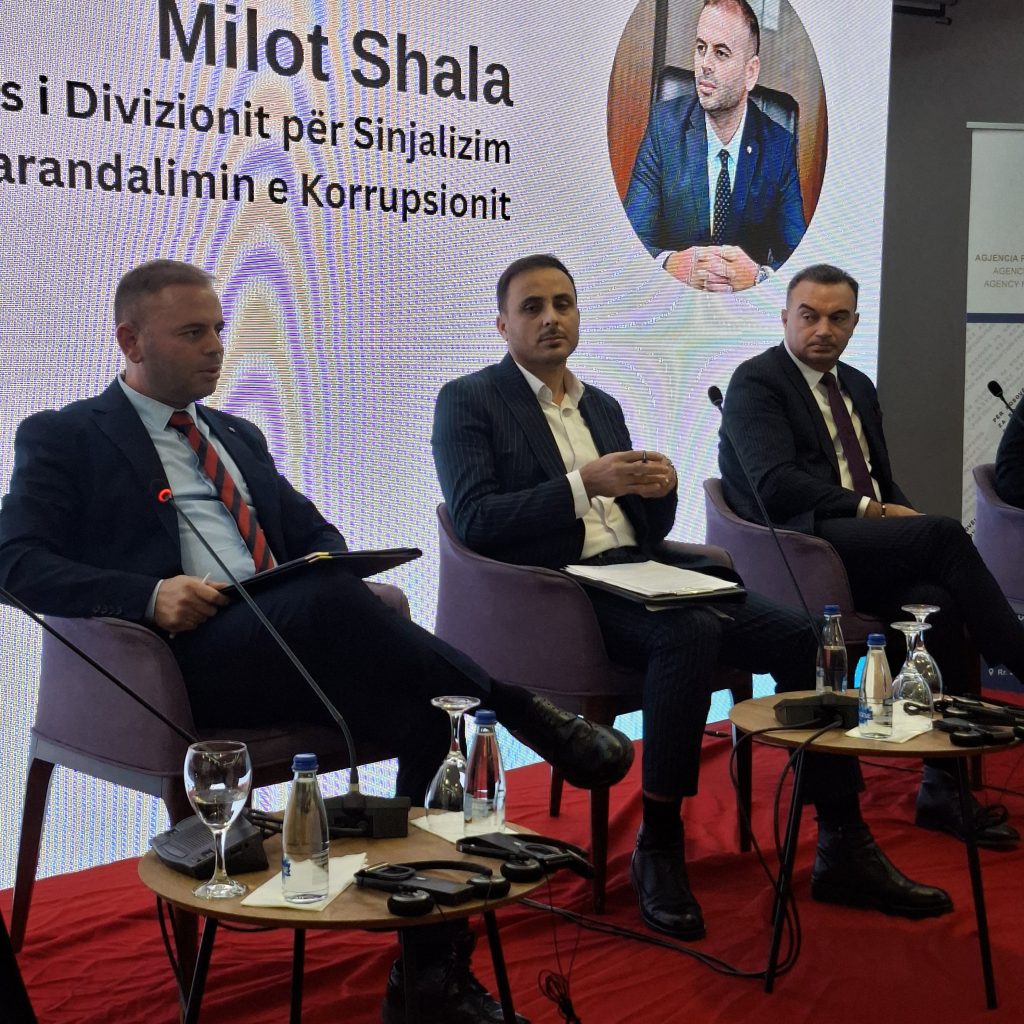
Following this, the Head of the Whistleblowing Division at APC, Mr. Milot Shala, presented data on the functioning of the whistleblowing mechanism, highlighting the increase in reported cases during 2025.
“This year we doubled the number of whistleblowing cases compared to last year, which shows that the mechanism is being utilized more and that institutions are building more sustainable capacities. More than 200 public institutions have already established internal whistleblowing channels,” Shala stated.
He added that efforts will continue to make this mechanism functional, reliable, and accessible to all, ensuring that whistleblowers’ voices are heard and that actions taken on concerns are effective.
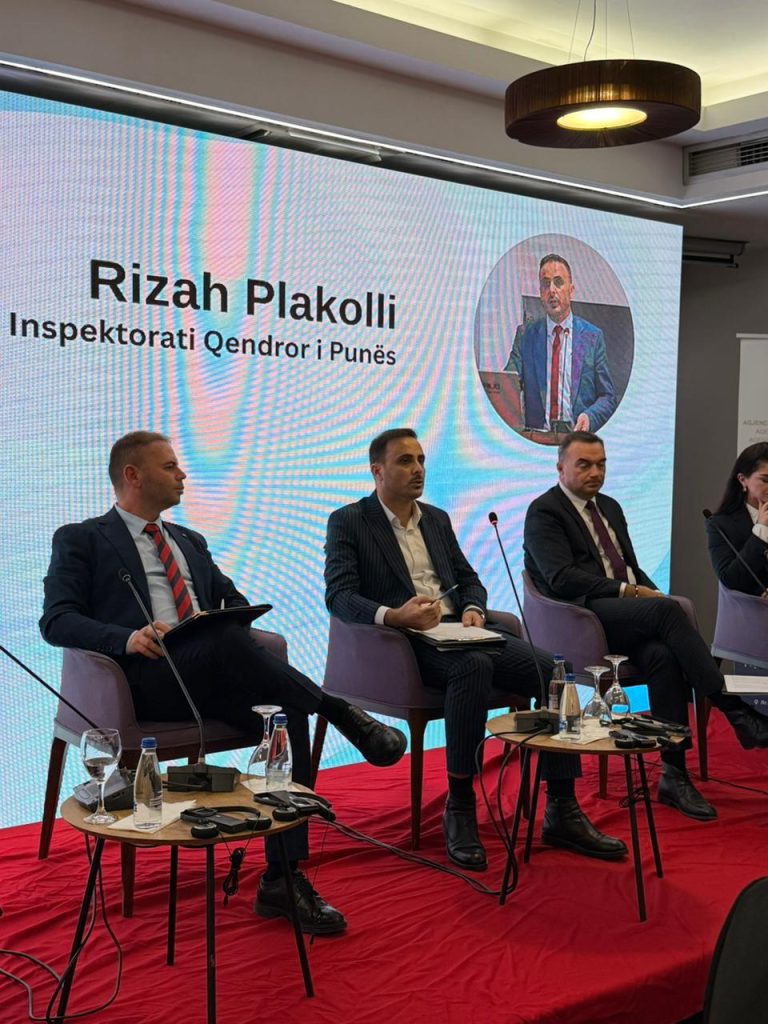
Speaking about challenges in the private sector, Mr. Rizah Plakolli from the Central Labour Inspectorate emphasized that there is still a need to strengthen capacities and fully implement legal obligations for establishing internal whistleblowing channels.
“Employers often hesitate or improvise when appointing competent officials, despite the legal obligation being clear. We remain committed to ensuring effective protection for whistleblowers and compliance with legal standards,” Plakolli said.
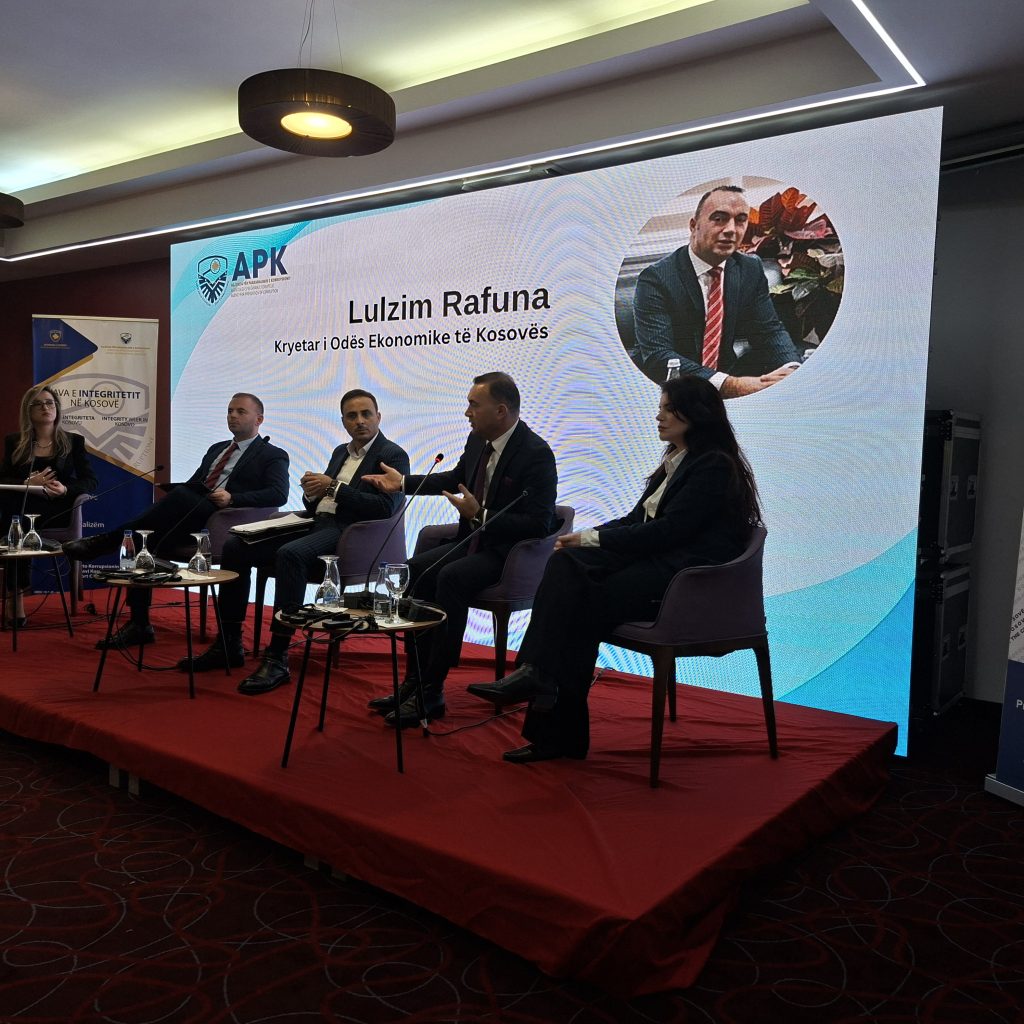
From the business community, the President of the Kosovo Chamber of Commerce, Mr. Lulzim Rafuna, underlined that whistleblowing is something new for the private sector, which should be understood considering that Kosovo is a developing country and businesses are still in the process of adapting.
“The Chamber of Commerce, as the oldest institution marking its 64th anniversary this year, has always stood by businesses to support them in meeting standards and creating fair competition. This would not be possible without the work of whistleblowers, whether in the public or private sector. A public institution with integrity is the foundation of fair competition and a key motivator for attracting foreign investors to our country,” he said.
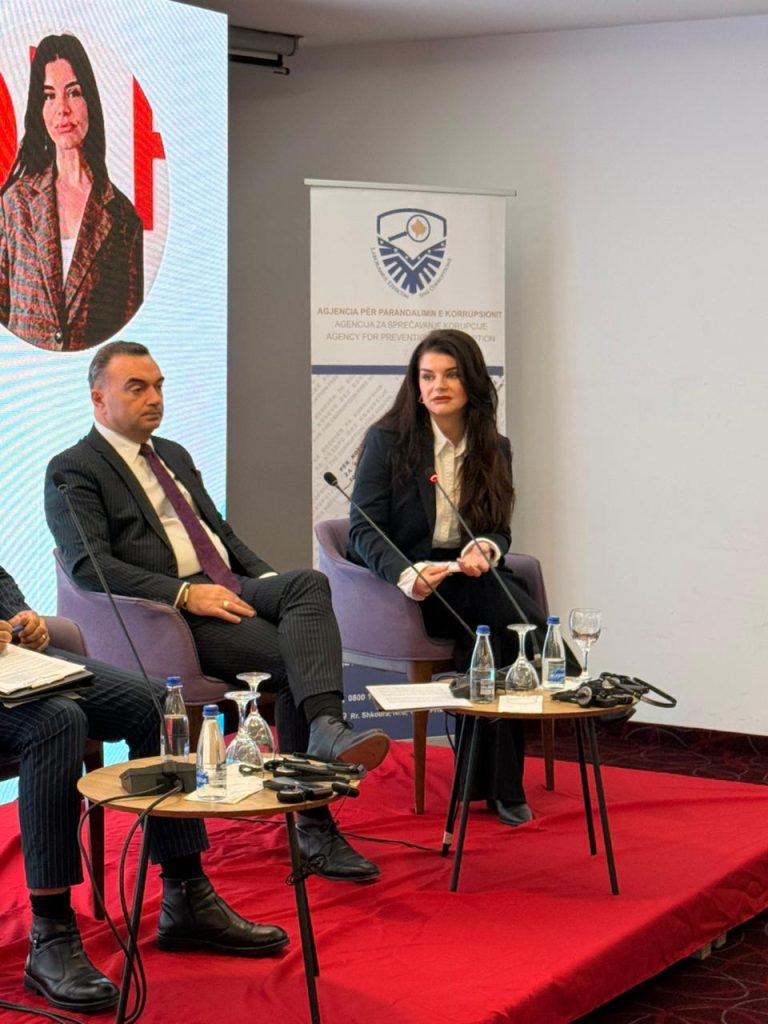
An important contribution also came from Lëvizja FOL, represented by Ms. Burbuqe Kastrati, who highlighted the importance of strengthening business capacities and the need for continuous cooperation with public institutions in strengthening whistleblowing as an anti-corruption mechanism.
“Over the years, FOL has been engaged through advocacy and monitoring in shaping institutional policies for the effective implementation of the LSM. FOL considers whistleblowing to remain a highly important mechanism in combating corruption in both the public and private sectors.”
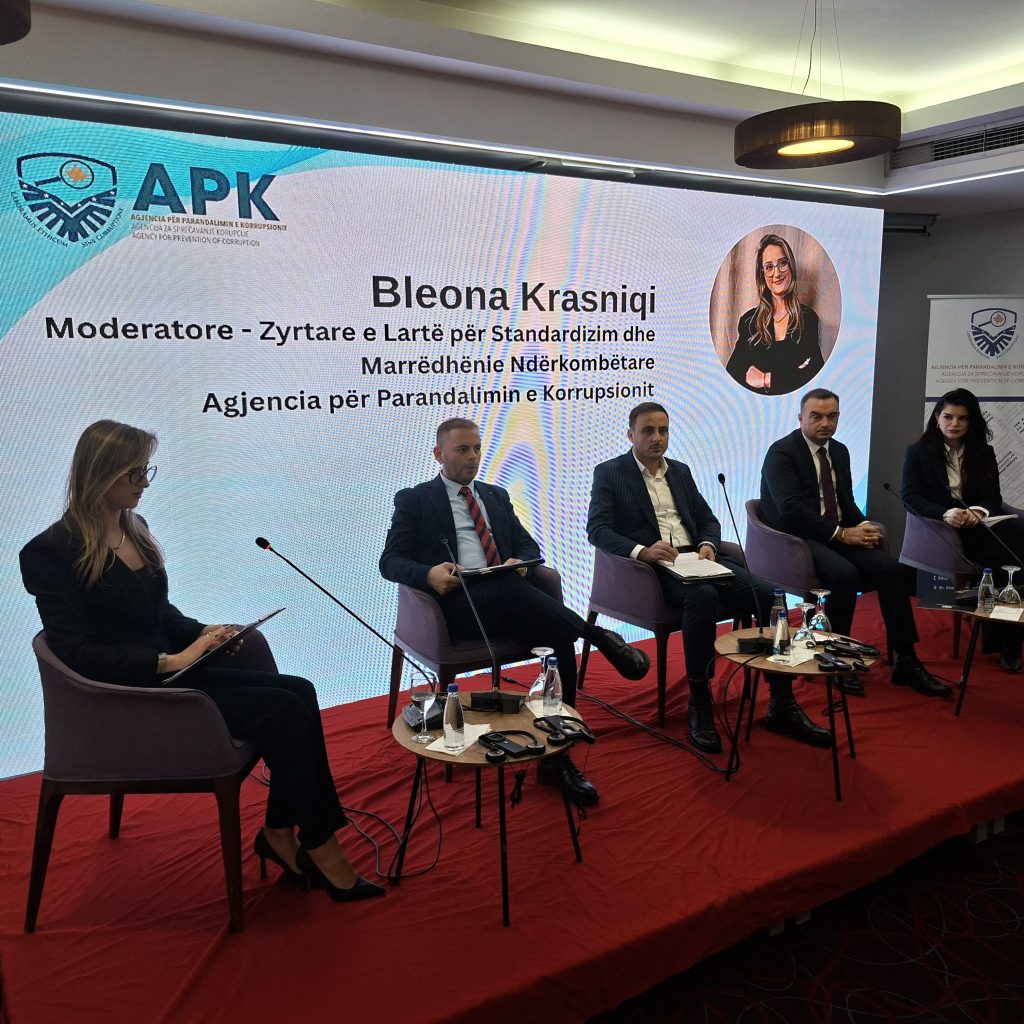
The session was moderated by APC official Ms. Bleona Krasniqi, who emphasized that whistleblowing is an act in the service of truth and accountability, calling on institutions to ensure functional channels and effective protection for whistleblowers.
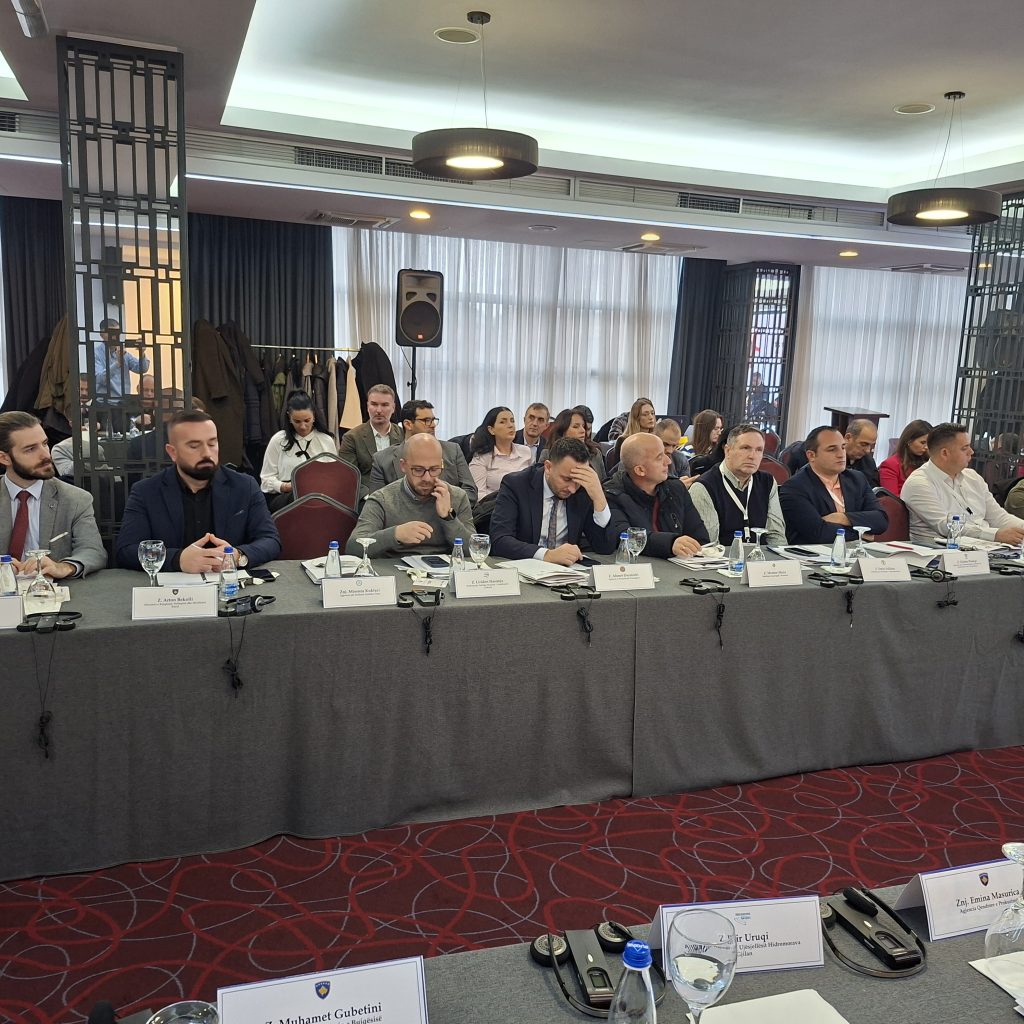
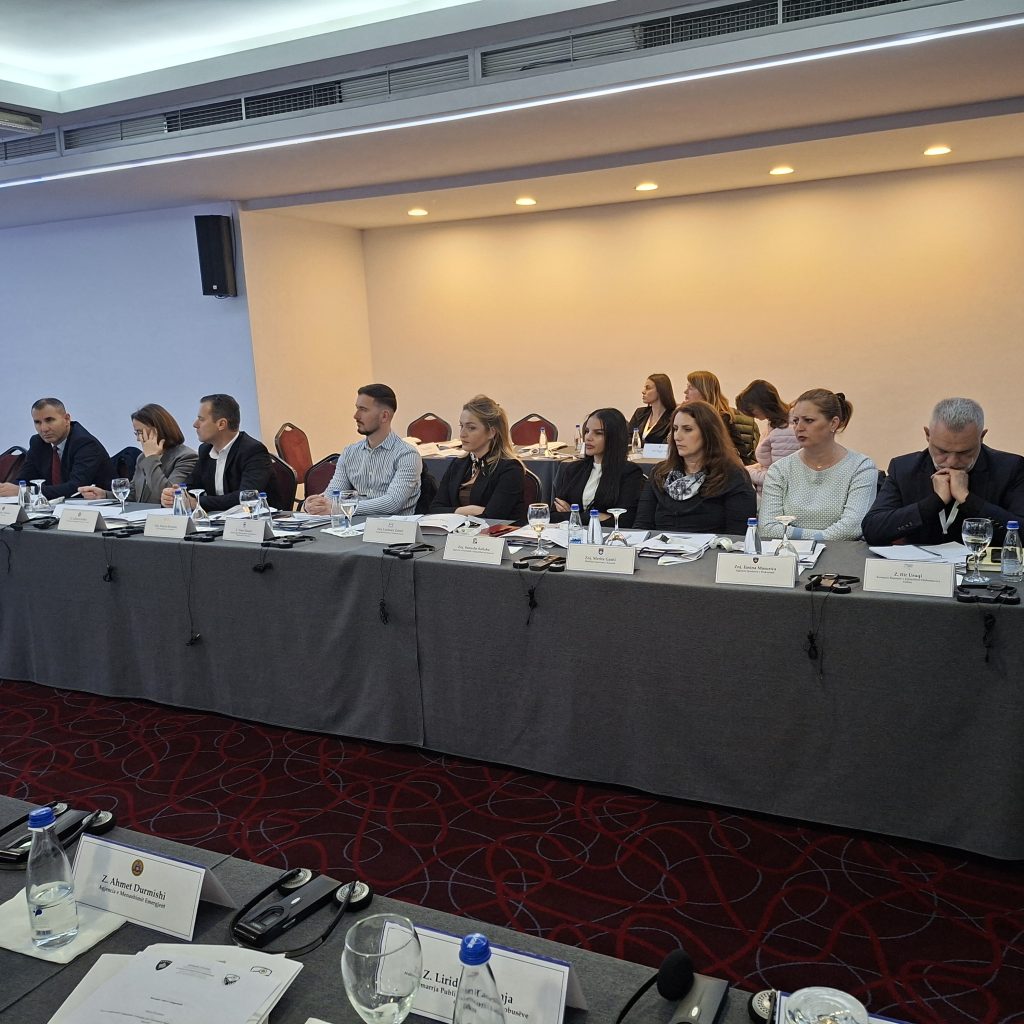
Participants addressed a range of practical issues, including the functionality of whistleblowing channels, challenges in the private sector, whistleblower protection, and the need for sustainable interinstitutional cooperation.
The activities of Integrity Week 2025 concluded today with the discussion of one of the most sensitive yet crucial topics for strengthening transparency and the rule of law in the country: whistleblowing in the public and private sectors.