
Pristina, 11 December 2025
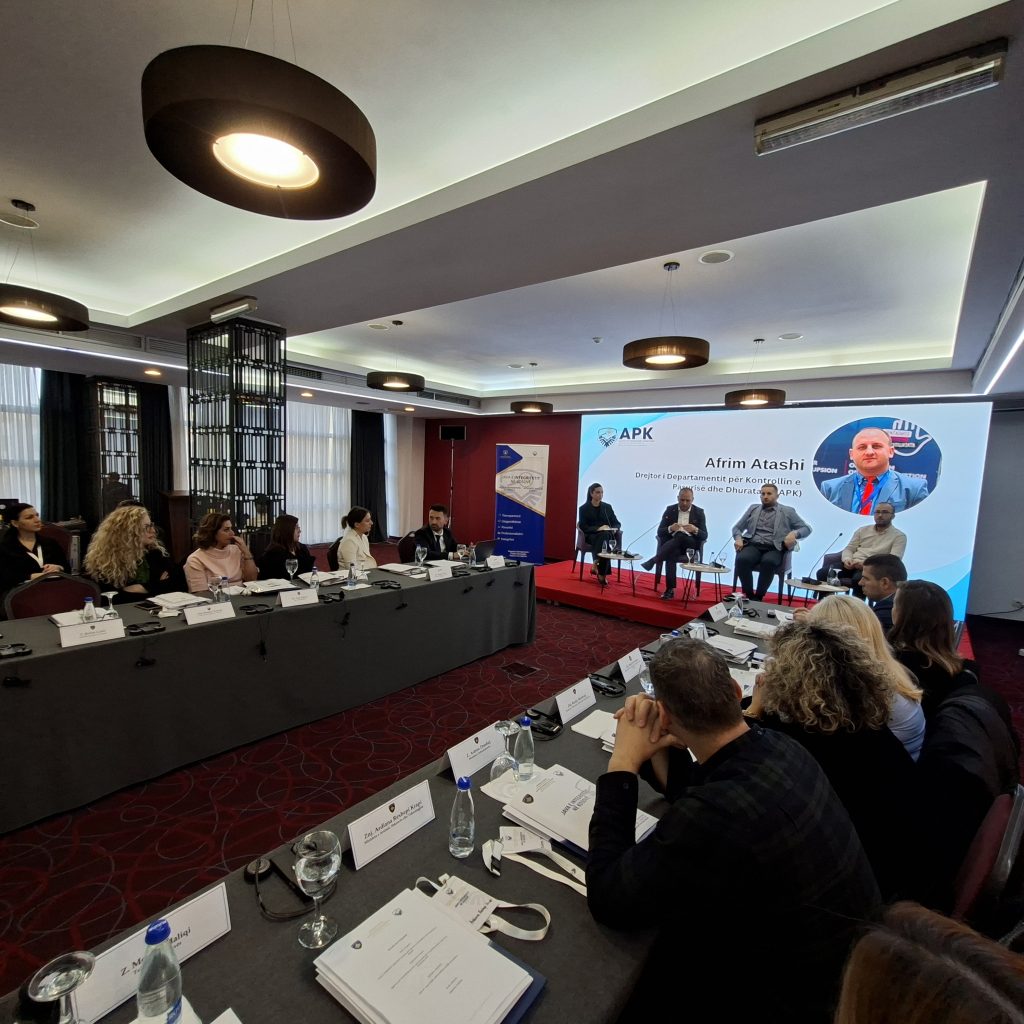
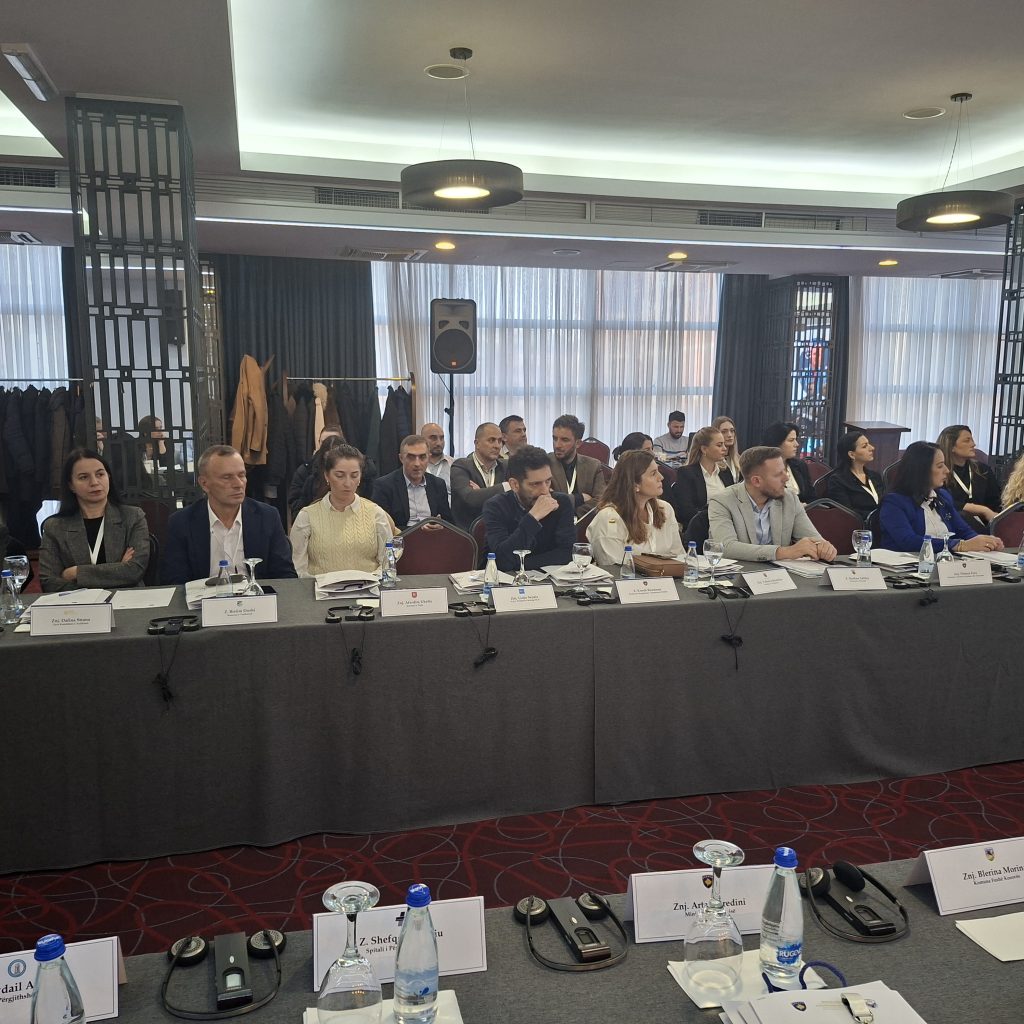
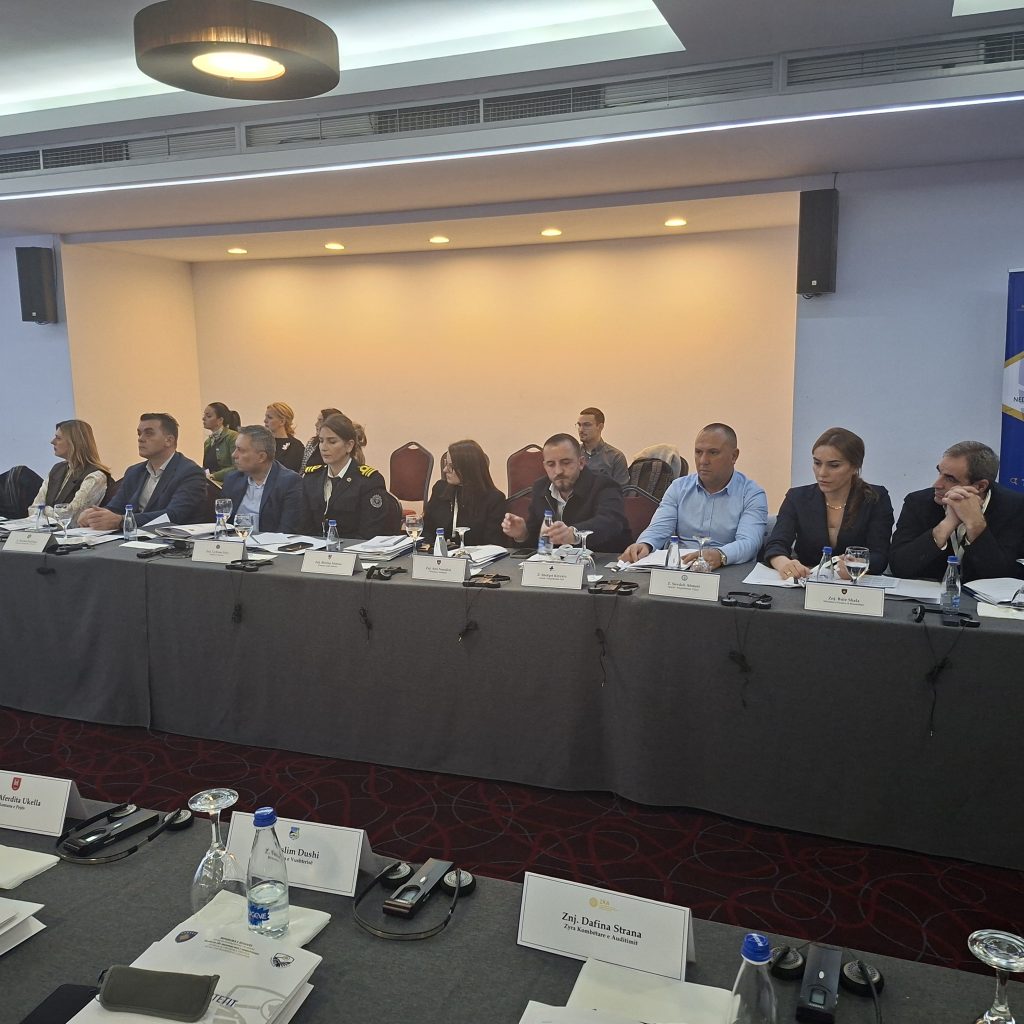
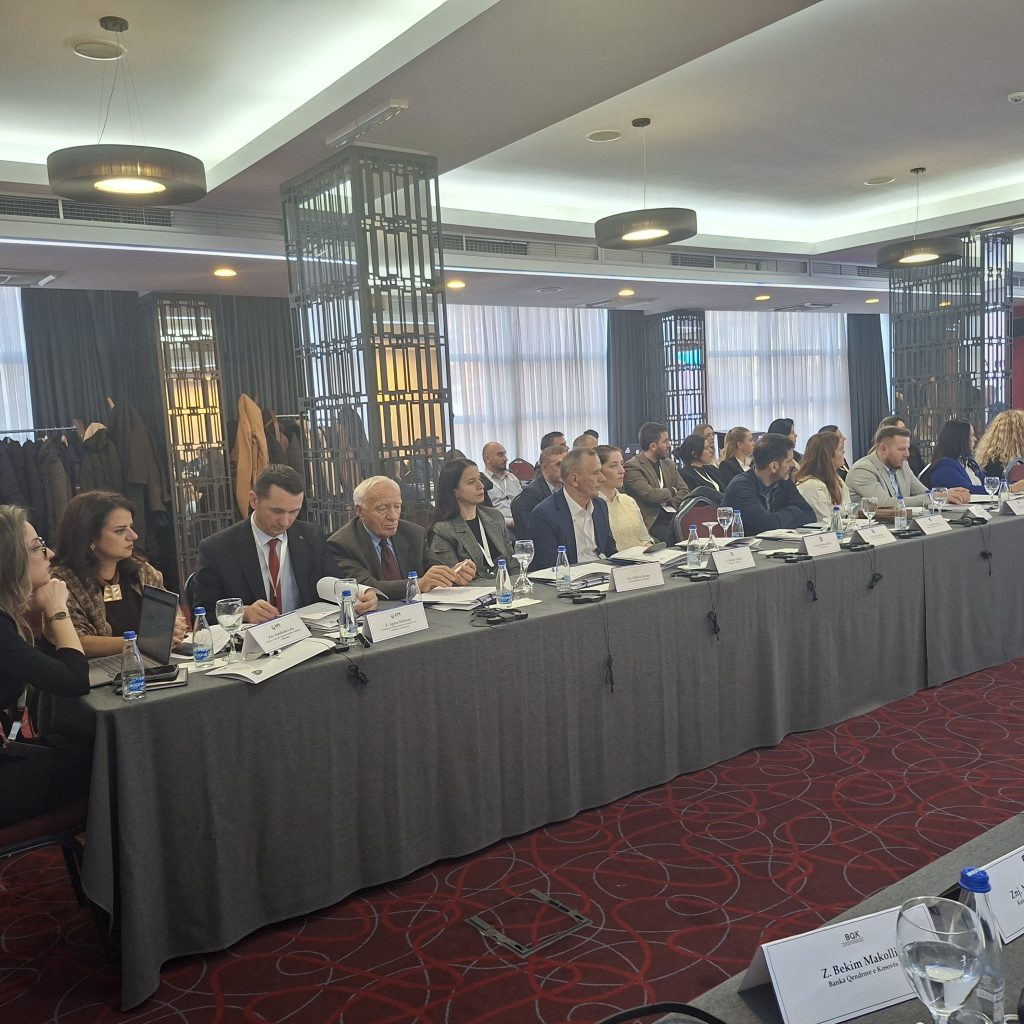
As part of Integrity Week 2025 and the marking of the International Anti-Corruption Day, a thematic session dedicated to the management of gifts in official functions was held today—an area that is sensitive and highly important for institutional integrity and the prevention of undue influence on public decision-making.
This activity, together with others held so far and continuing until 12 December, is organized by the Agency for Prevention of Corruption (APC), in cooperation with the APC Consultative Forum with Civil Society.
Integrity in gift management – essential for public trust
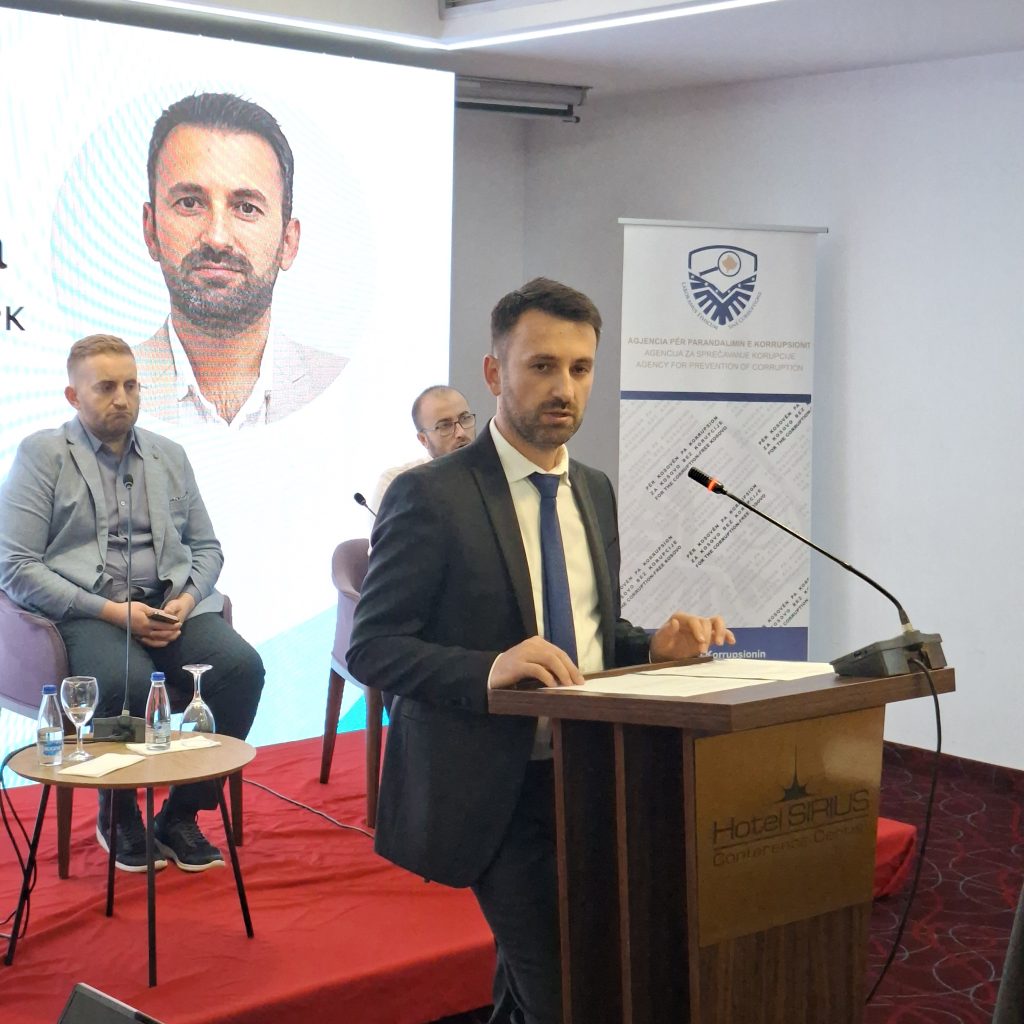
In his welcoming remarks, the Deputy Director of the APC, Mr. Liridon Nika, emphasized the importance of proper handling of gifts in official functions, considering this process a pillar of institutional integrity.
“A gesture of courtesy. A cultural symbol. But once it enters the public sphere, a gift is no longer just a gesture—it becomes a test of our integrity and of citizens’ trust.”
Mr. Nika stressed that public officials must act with transparency and professionalism, respecting the law and international standards to ensure credibility and accountability in the exercise of public office.
Regulation and reporting of gifts – a foundation of good governance
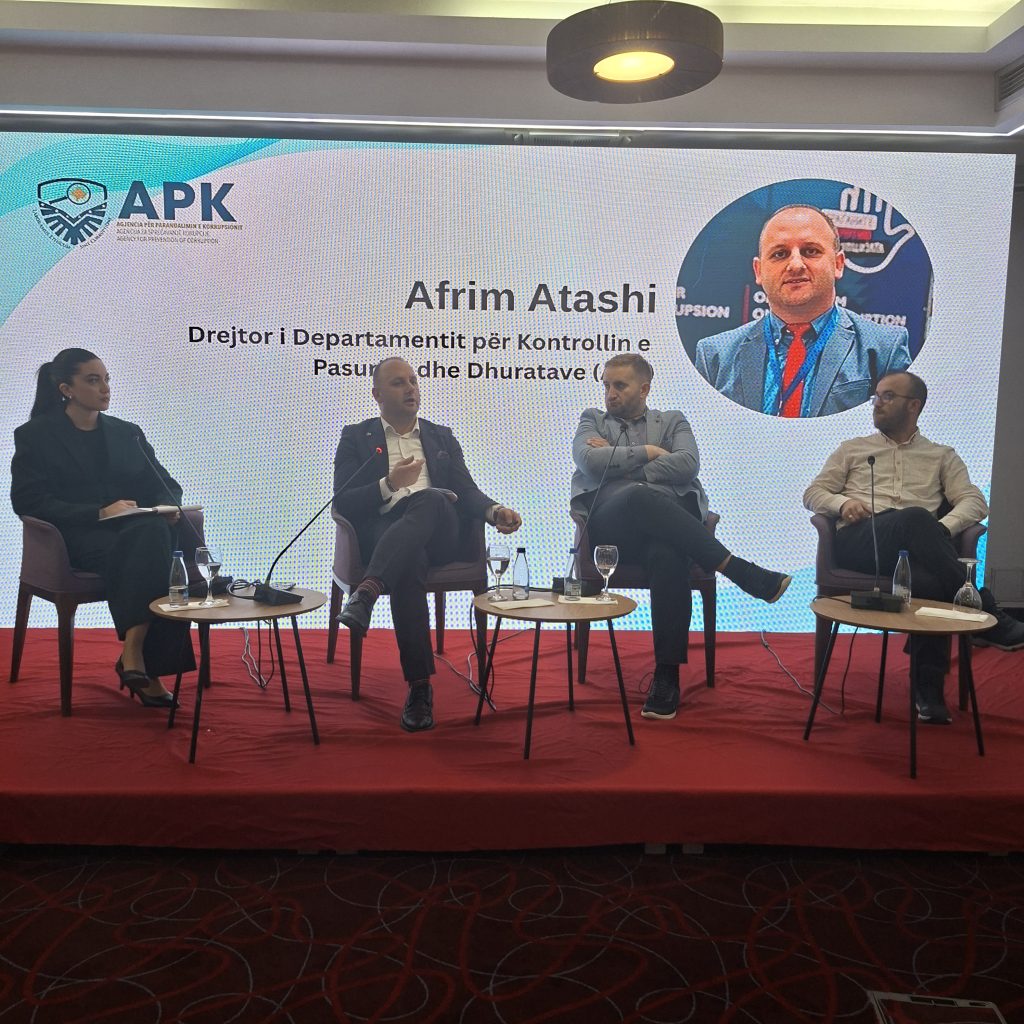
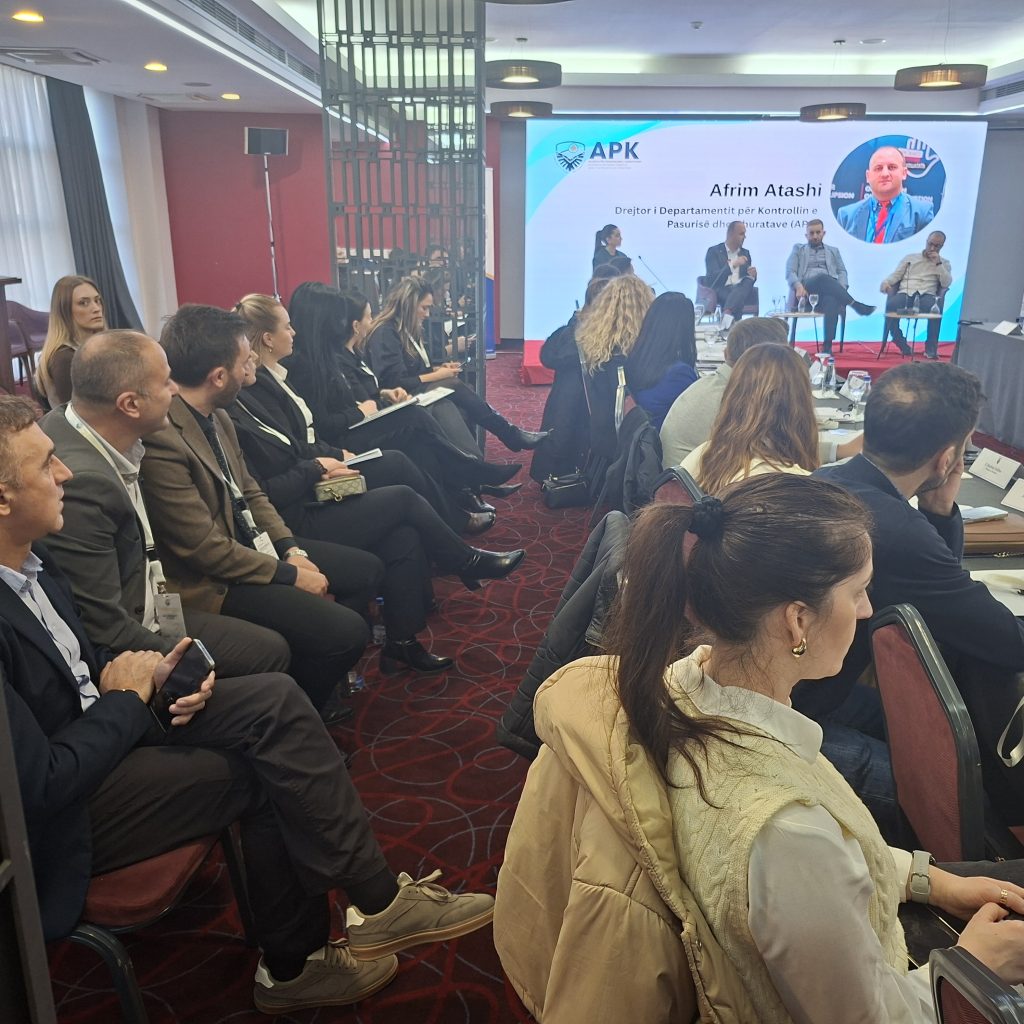
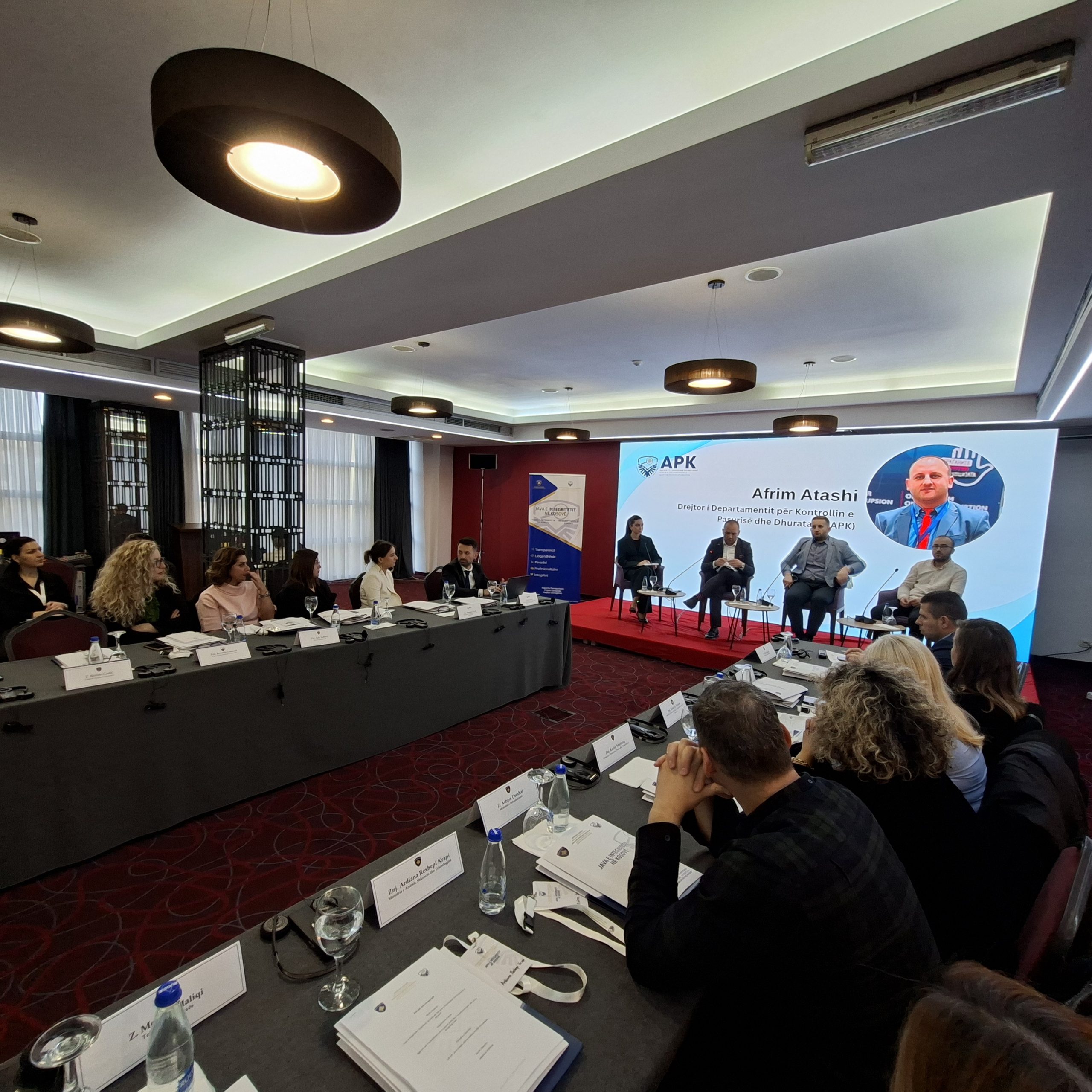
The Director of the Department for Asset and Gift Control at the APC, Mr. Afrim Atashi, highlighted that gift management is not only a legal issue, but also an important instrument of good governance and integrity.
“A gift may represent a common act of courtesy, but in an official context it can create conflicts of interest or the perception of unlawful influence.”
Mr. Atashi added that transparency and rigorous enforcement of rules are essential to maintain public trust and to prevent any form of undue influence.
Gifts and justice – the invisible risk
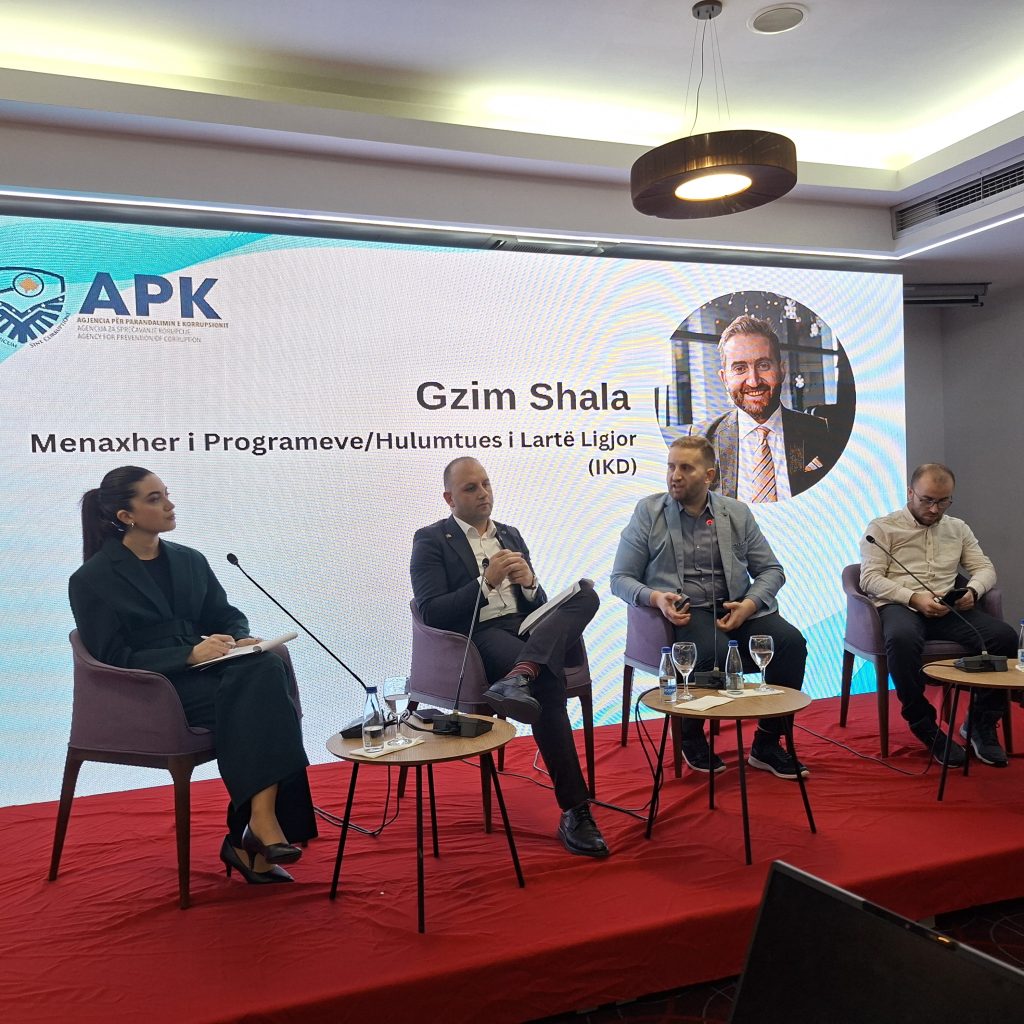
The Program Manager and Senior Legal Researcher at IKD, Mr. Gzim Shala, emphasized the impact of gifts on the justice system, warning of the consequences of even seemingly minor gestures.
“For a judge, even a coffee paid for by a party is seen as an attempt to interfere. Every gift is a small stone that weighs down the scale of injustice,” he said.
According to him, judicial integrity begins with the refusal of any gift, as the perception of influence undermines citizens’ trust in justice.
The need for stronger declaration mechanisms
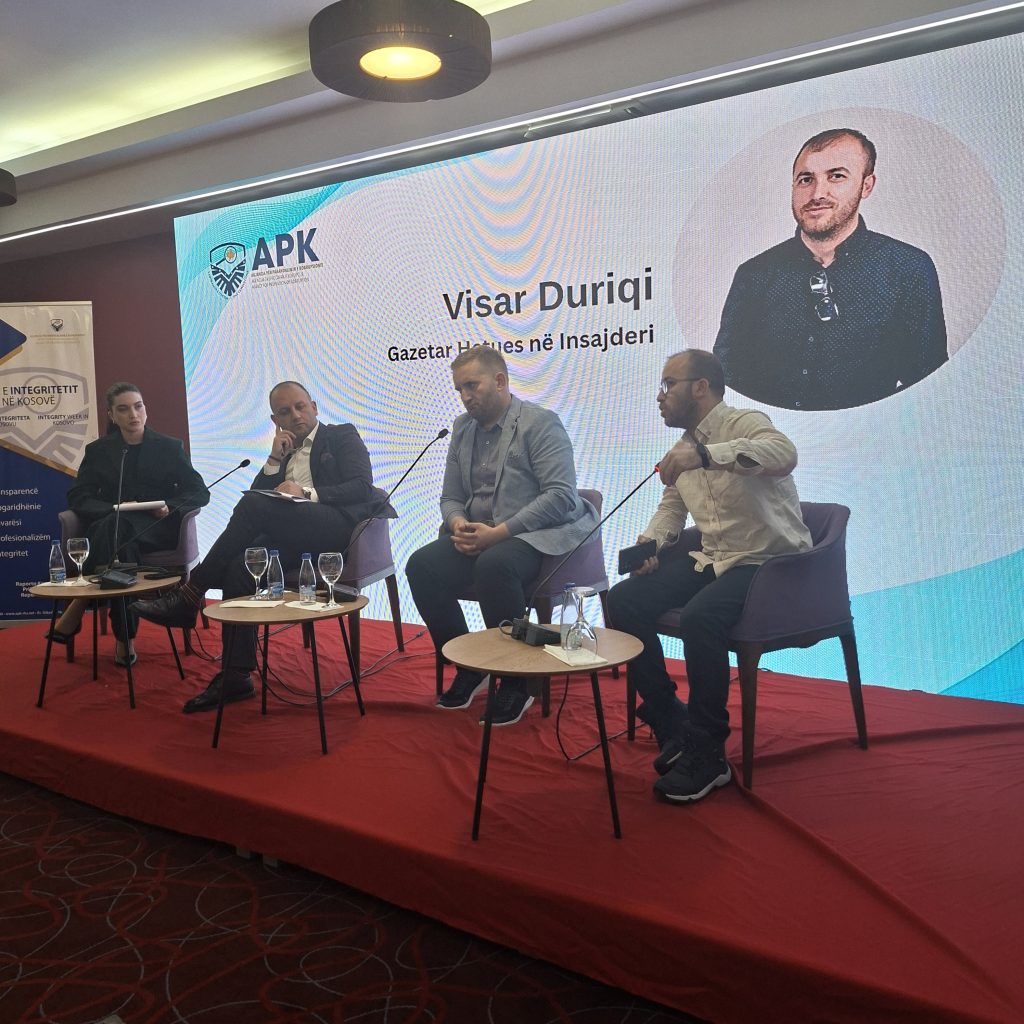
Investigative journalist Visar Duriqi stressed the importance of strengthening the system for declaring gifts by public officials.
“If Kosovo wants to fight high-level corruption, it must start controlling gifts, favors, and undeclared trips, because that is where influence is hidden and where the distortion of state decisions begins,” he said, citing concrete examples from various institutions, with particular emphasis on the health sector.
His message underlined the necessity of building functional mechanisms for monitoring and transparency.
Increased control and monitoring by the APC
Today’s discussion was moderated by Ms. Yllëza Basha, Senior Officer for the Inspection and Auditing of Gifts at the APC, who guided the debate toward practical issues of gift management in public institutions. As a representative of the Agency, she emphasized that for the past two years the ACA has intensified control and monitoring of gifts in public institutions, as transparency and integrity are essential for preventing corruption.
“Although we face challenges in reporting, record-keeping, and enforcement of rules, our commitment remains unwavering to strengthen accountability and public trust,” she stressed.
General consensus – greater focus on gifts
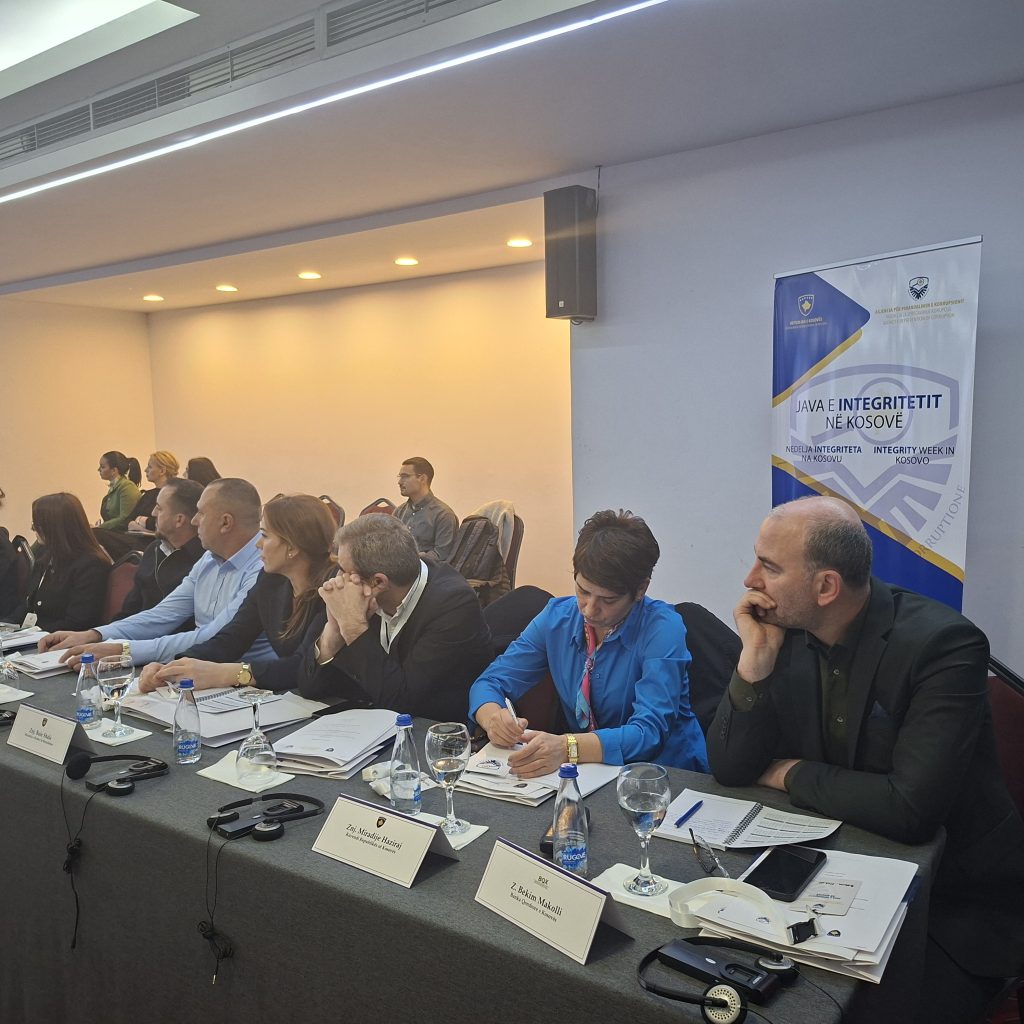
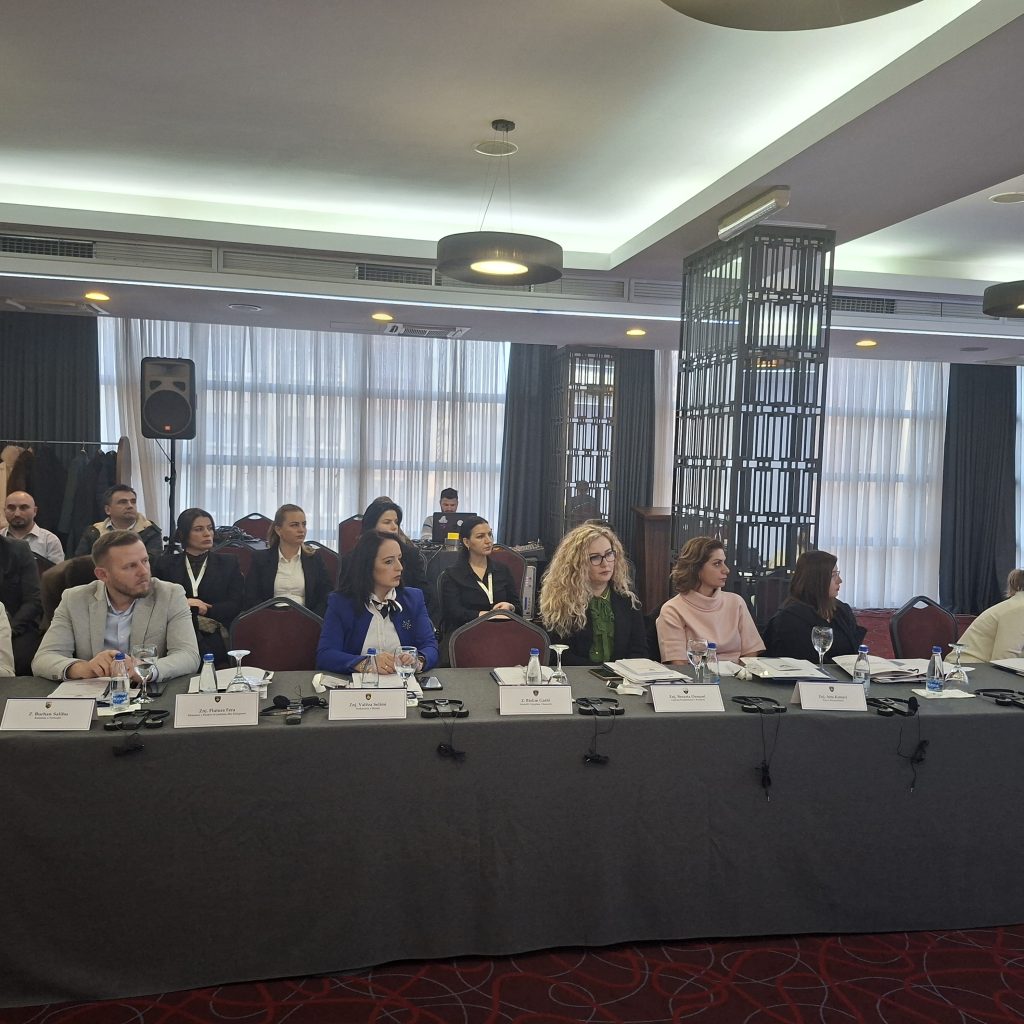
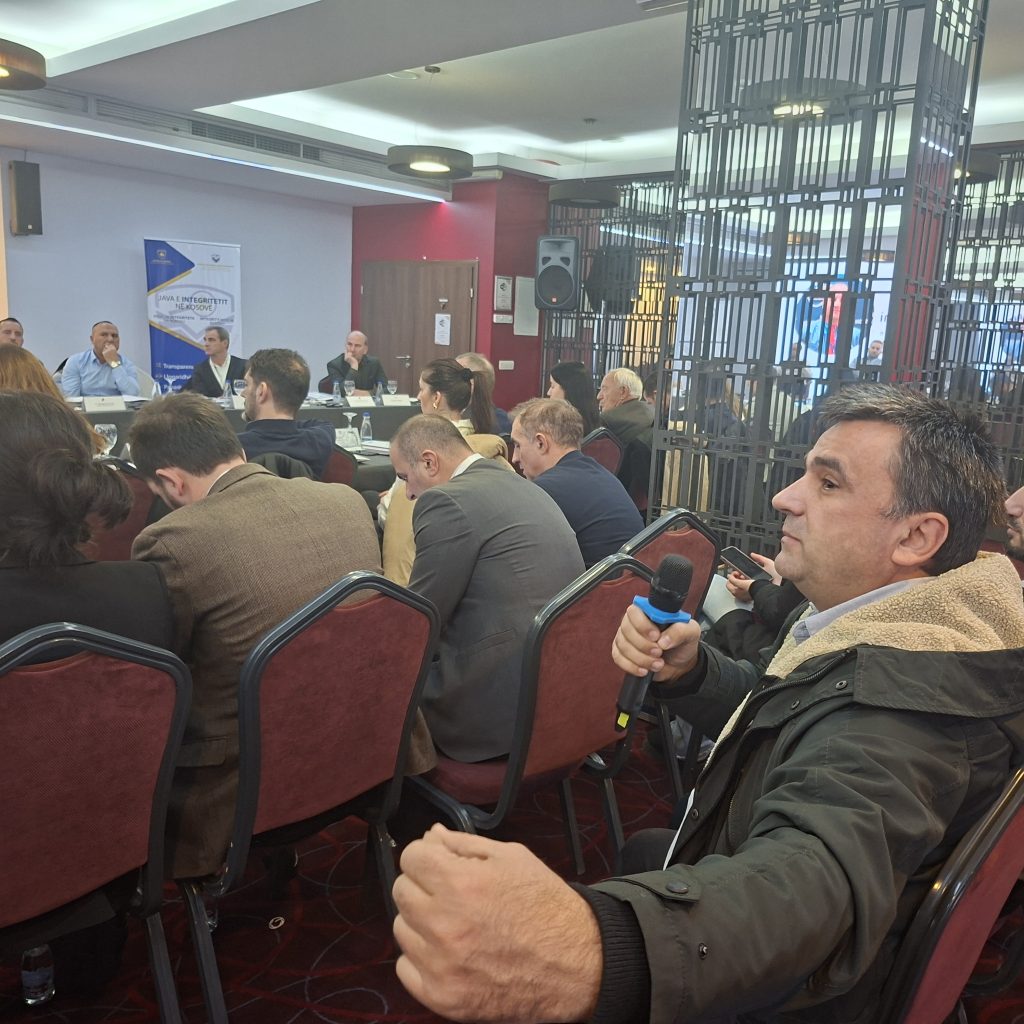
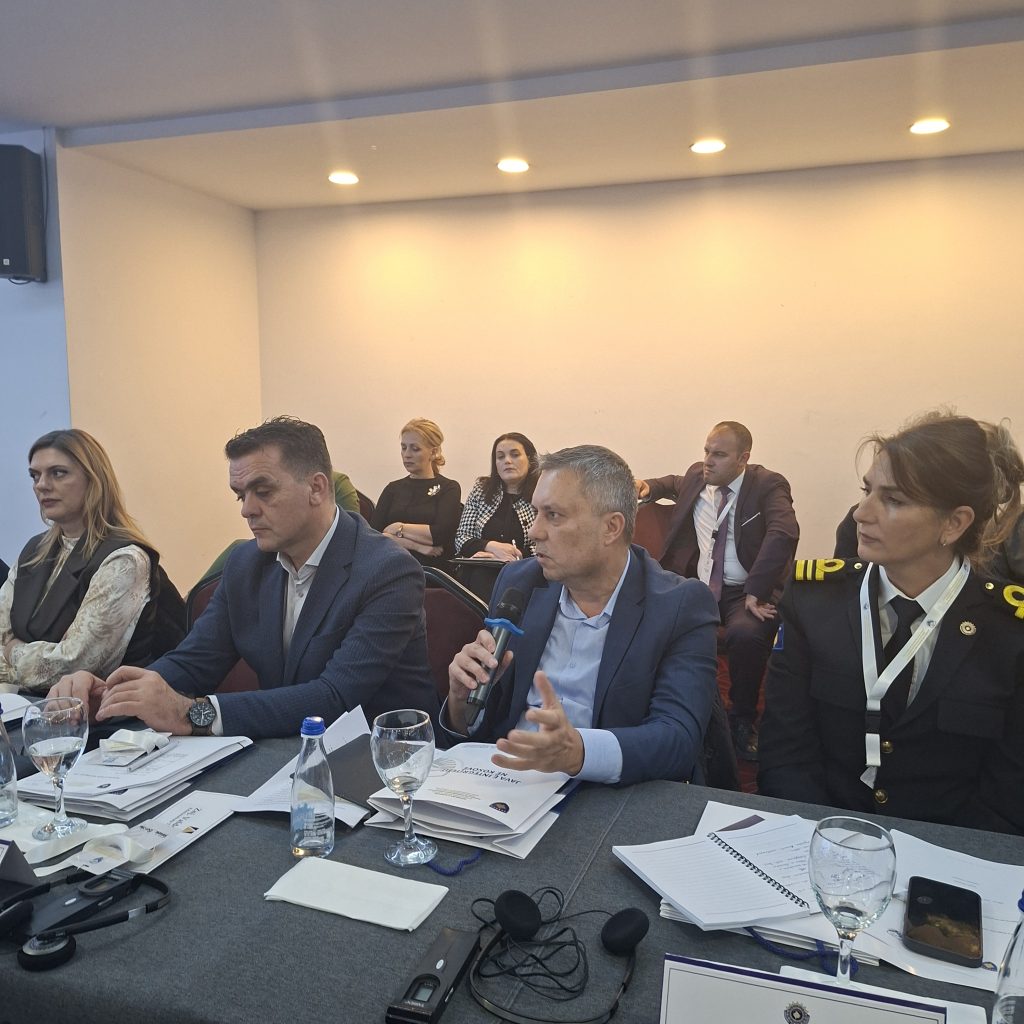
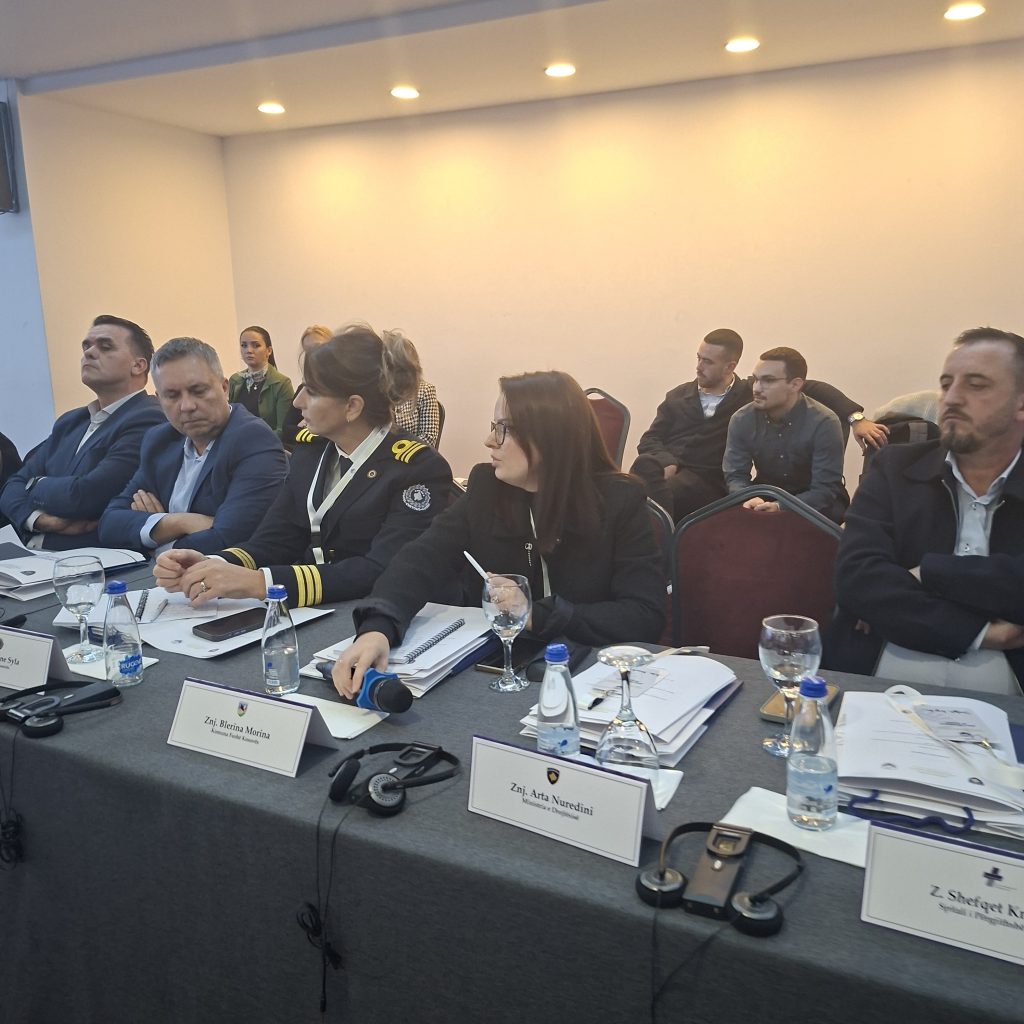
Numerous participants from central and local institutions, as well as from civil society, actively engaged in the discussion throughout the day and expressed consensus that institutional integrity can be undermined even by small matters, and that therefore this topic must be addressed with greater seriousness, including the need for better awareness-raising among officials.
Mr. Arsim Syla from the Tax Administration of Kosovo emphasized that institutions and NGOs should focus on specific groups to change mindsets, as well as on training and educating officials.
Ms. Blerina Morina from the Municipality of Fushë Kosovë raised concerns about the workload of contact officers responsible for gift management, calling for consideration of creating dedicated positions and recruiting appropriate staff.
Meanwhile, Mr. Ekrem Jakupi stated that it is necessary for Kosovo to act similarly to some European countries, where gift declarations are made within deadlines and accountability is ensured. According to him, it is important that the law clearly stipulate responsibility within set timeframes.
Integrity Week 2025 activities will continue with other thematic sessions in the coming days, aiming to strengthen integrity and a culture of accountability at all levels of public administration.